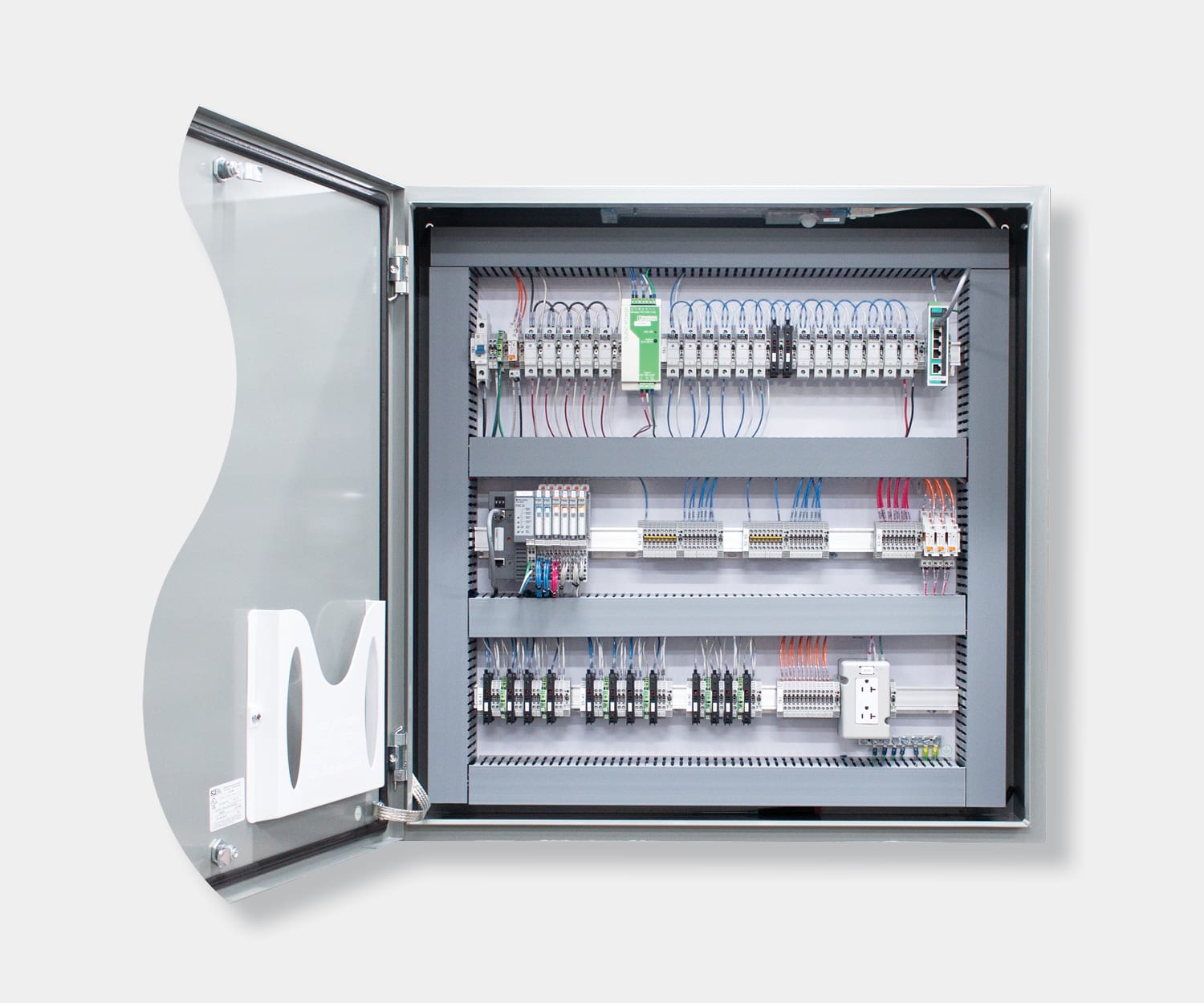
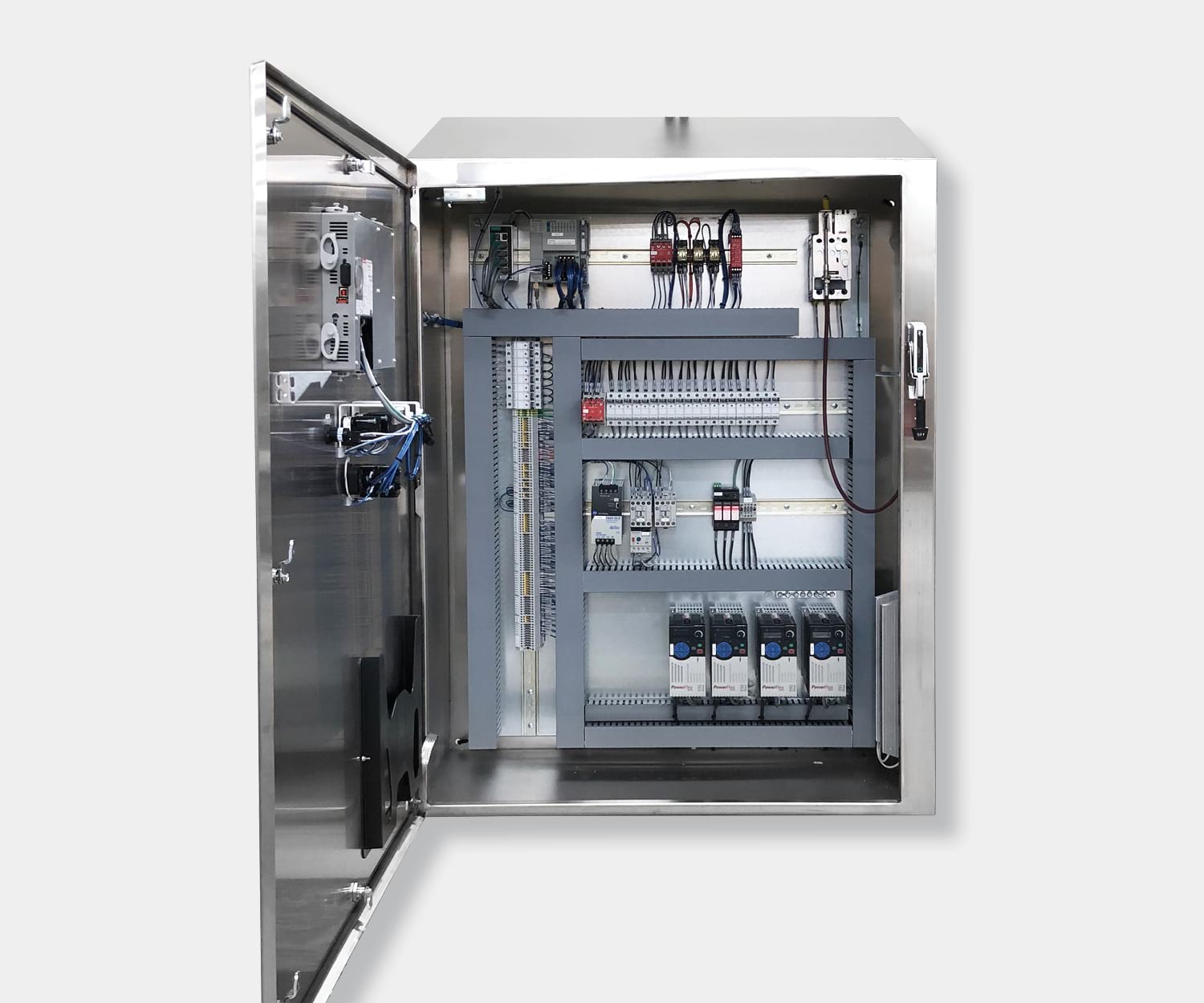
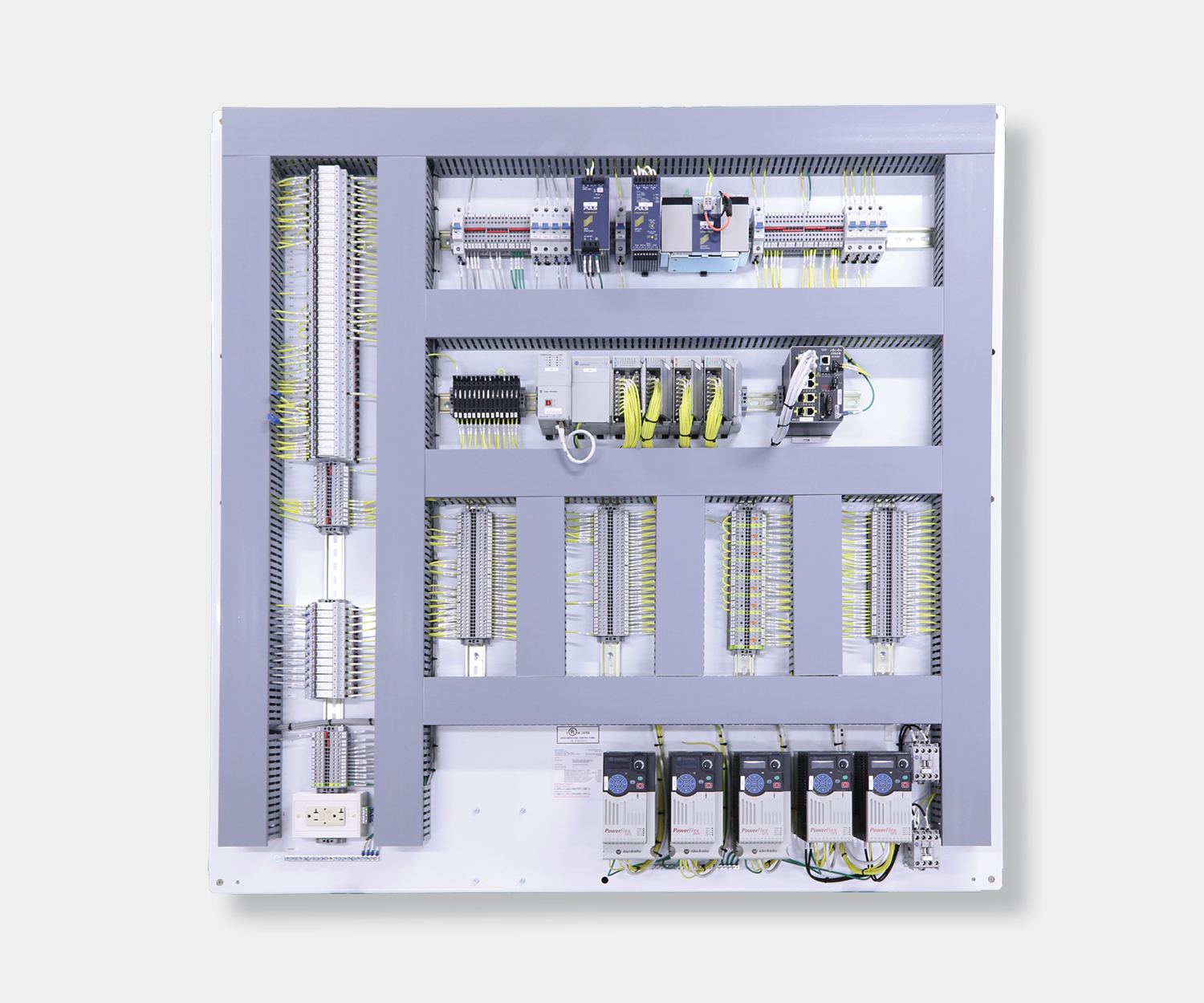
Power Distribution Blocks to Organize Control Panel Wiring
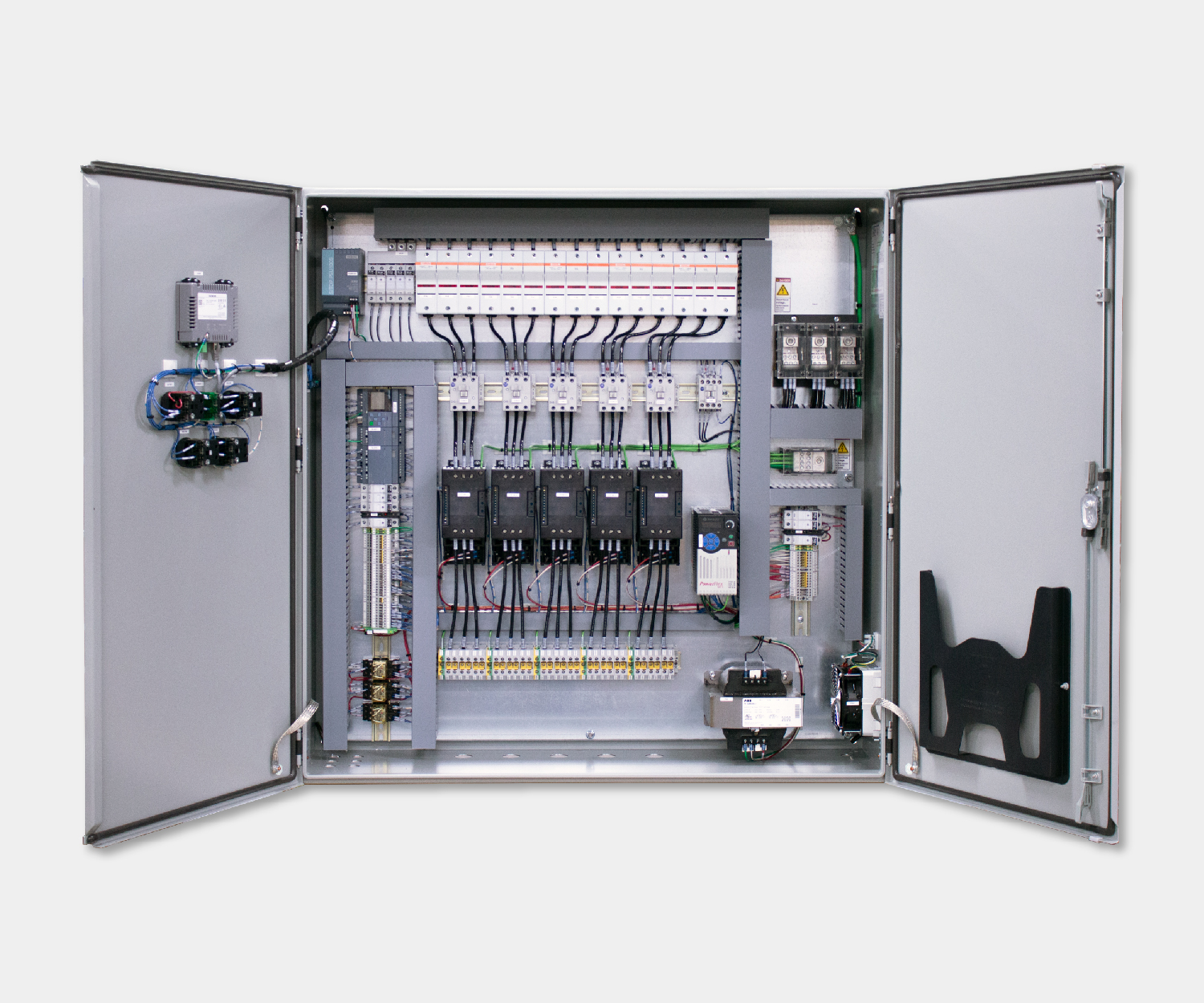
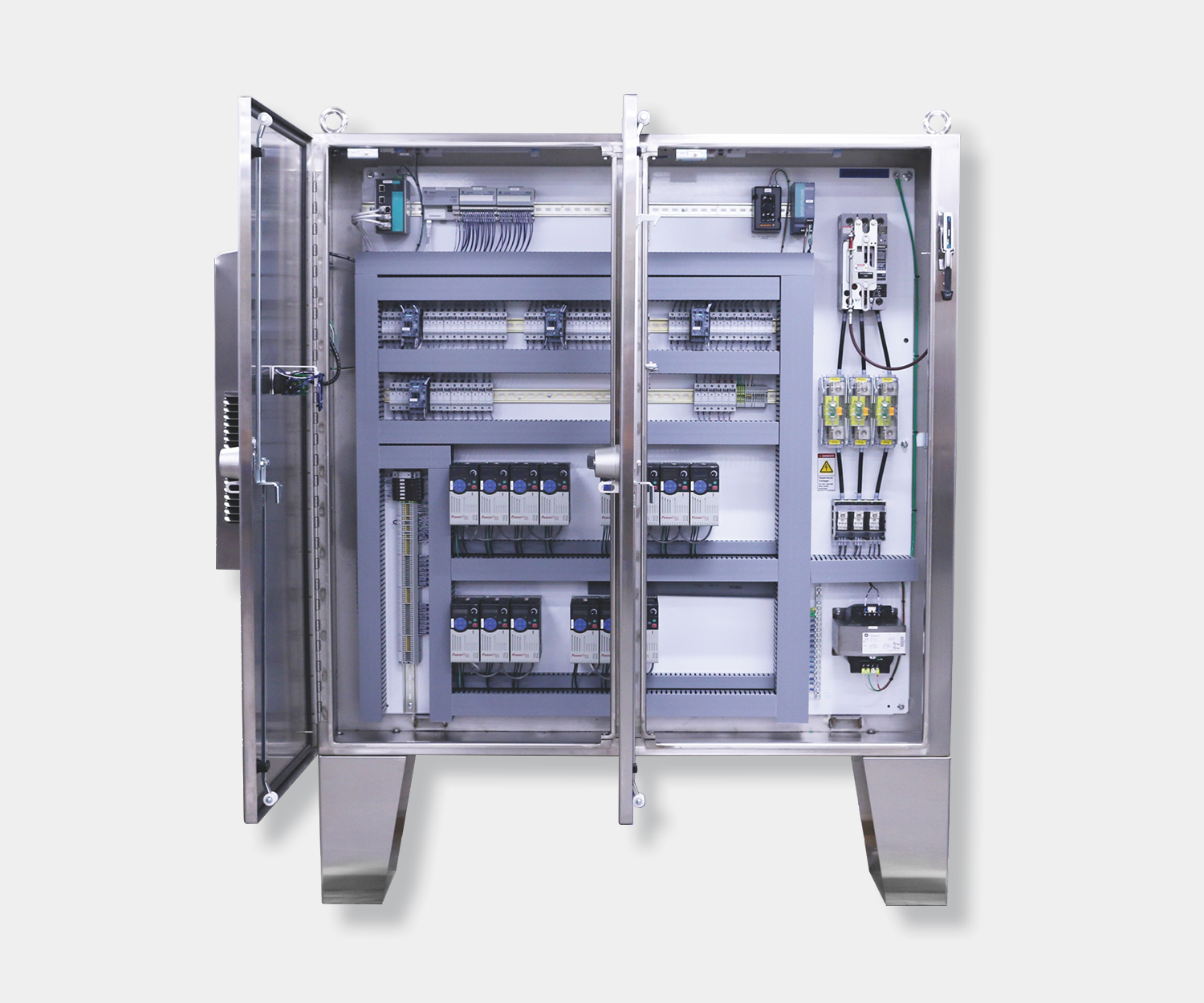
Power distribution blocks split large incoming power feeds into smaller branch circuits throughout your control panel. These machined aluminum or copper components distribute power to dozens of devices without creating a tangled mess of wires. Once you understand how they work, your panels get cleaner and a lot easier to maintain.
DC Power Supply for your Industrial Control Panel
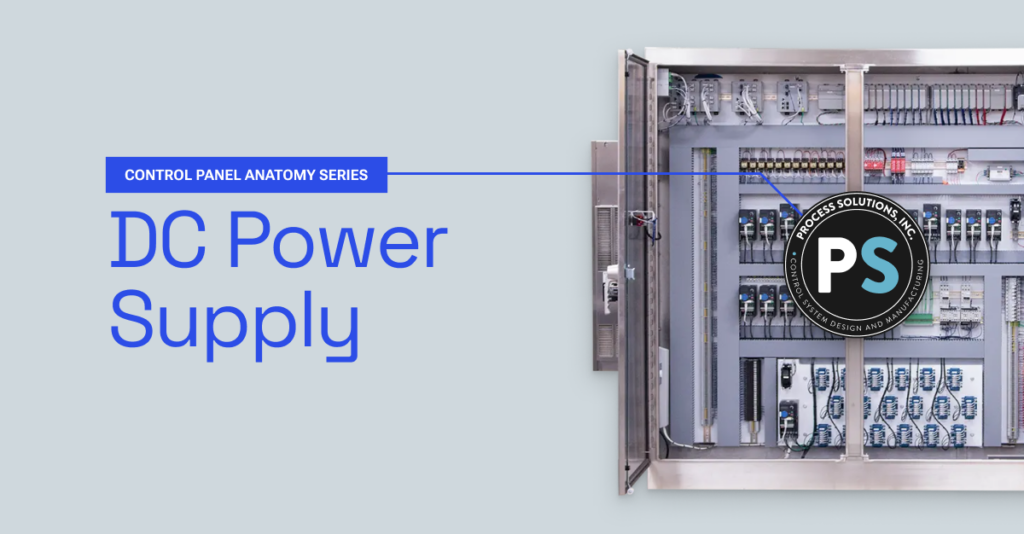
Industrial control panels convert AC power to 24V DC because that’s what PLCs, sensors, and most control devices actually run on. The power supply does more than simple conversion. It needs proper sizing to handle startup surges and keep your automation running reliably. Understanding how DC power supplies work helps you avoid unexpected downtime and equipment failures.
NEMA vs IP Ratings: Which Enclosure Standard You Need
NEMA and IP ratings aren’t interchangeable. NEMA 4X includes corrosion and ice testing that IP66 doesn’t cover. Wrong specifications mean rejected equipment, premature failures, and 25-40% cost overruns. Use NEMA for North American industrial installations. Use IP for international projects. Specify based on actual environmental conditions and regional requirements, not assumed equivalency.
KAIC Ratings for Industrial Control Panels: What You Need to Know
KAIC ratings apply to individual protective devices like breakers and fuses, while SCCR ratings apply to complete control panel assemblies. Many facilities assume component ratings automatically ensure panel compliance, but the lowest-rated component limits your panel’s overall protection. Underrated panels create serious safety risks and code violations. Getting this right requires professional fault current studies and proper component selection from the start.
UL Listed vs UL Recognized – What’s the Difference?

UL Listed and UL Recognized components have different requirements for industrial control panels. Listed components are generally straightforward to use. Recognized components often need expensive additional procedures that take weeks and cost thousands. Getting this wrong causes project delays and compliance headaches.