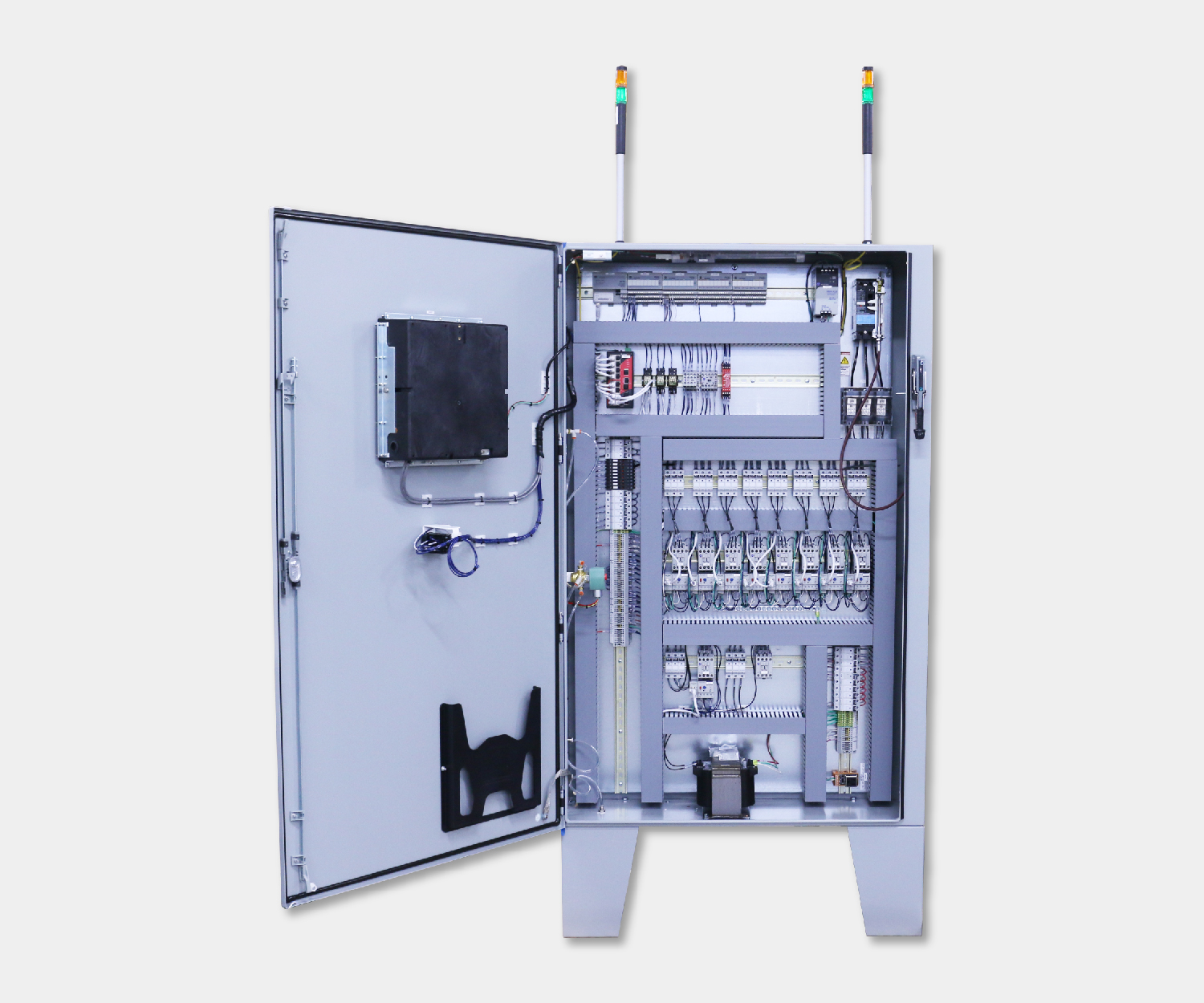
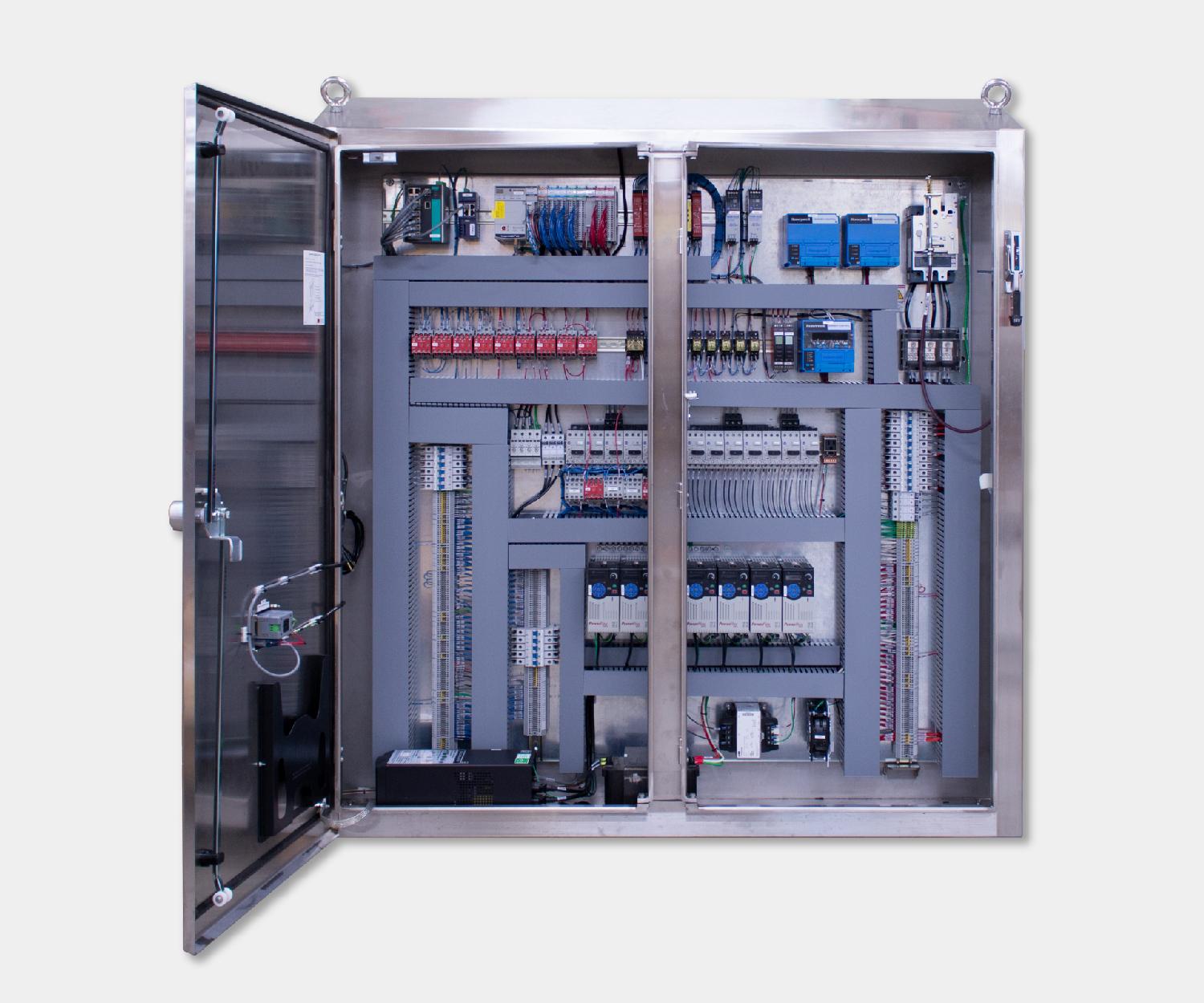
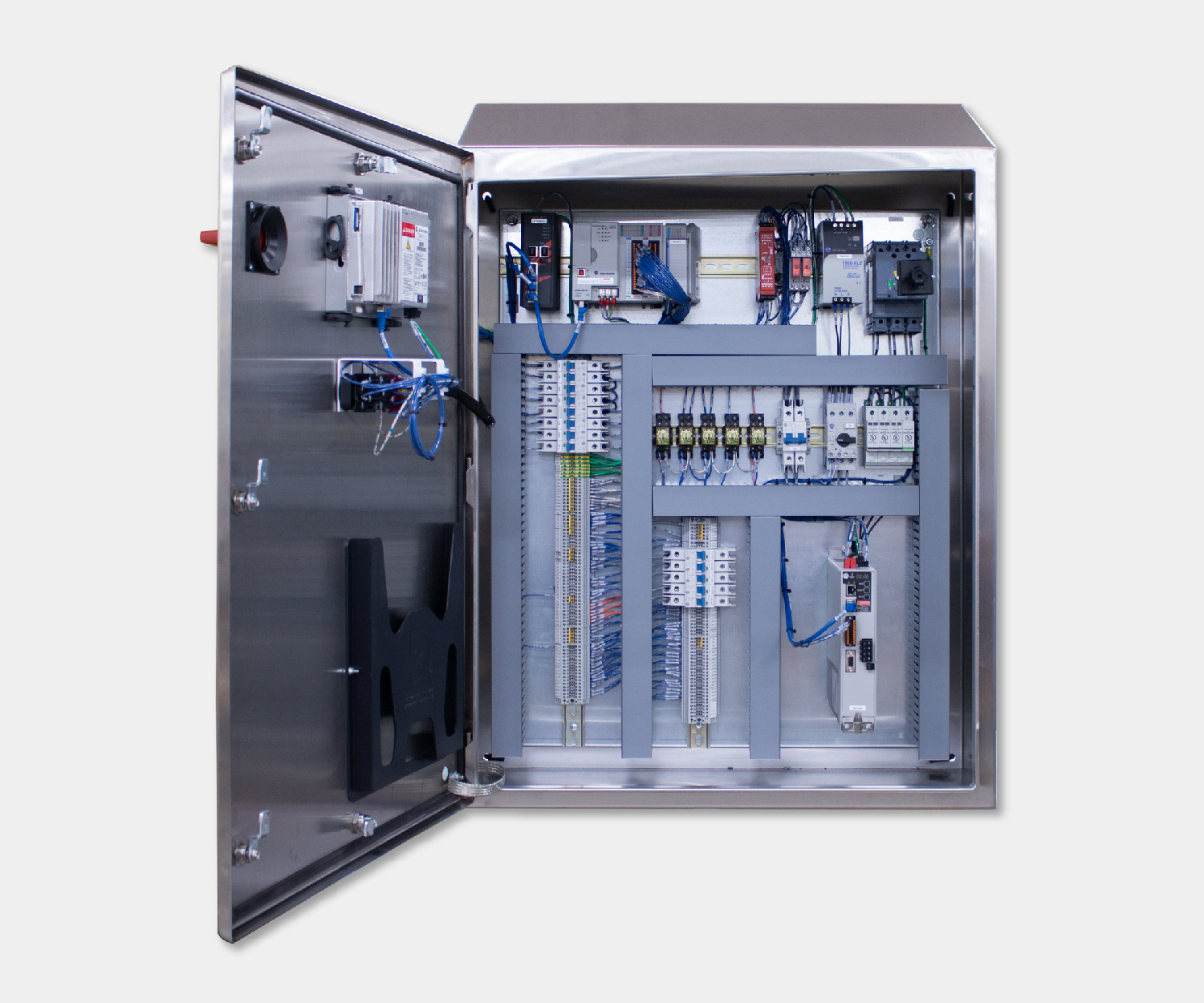
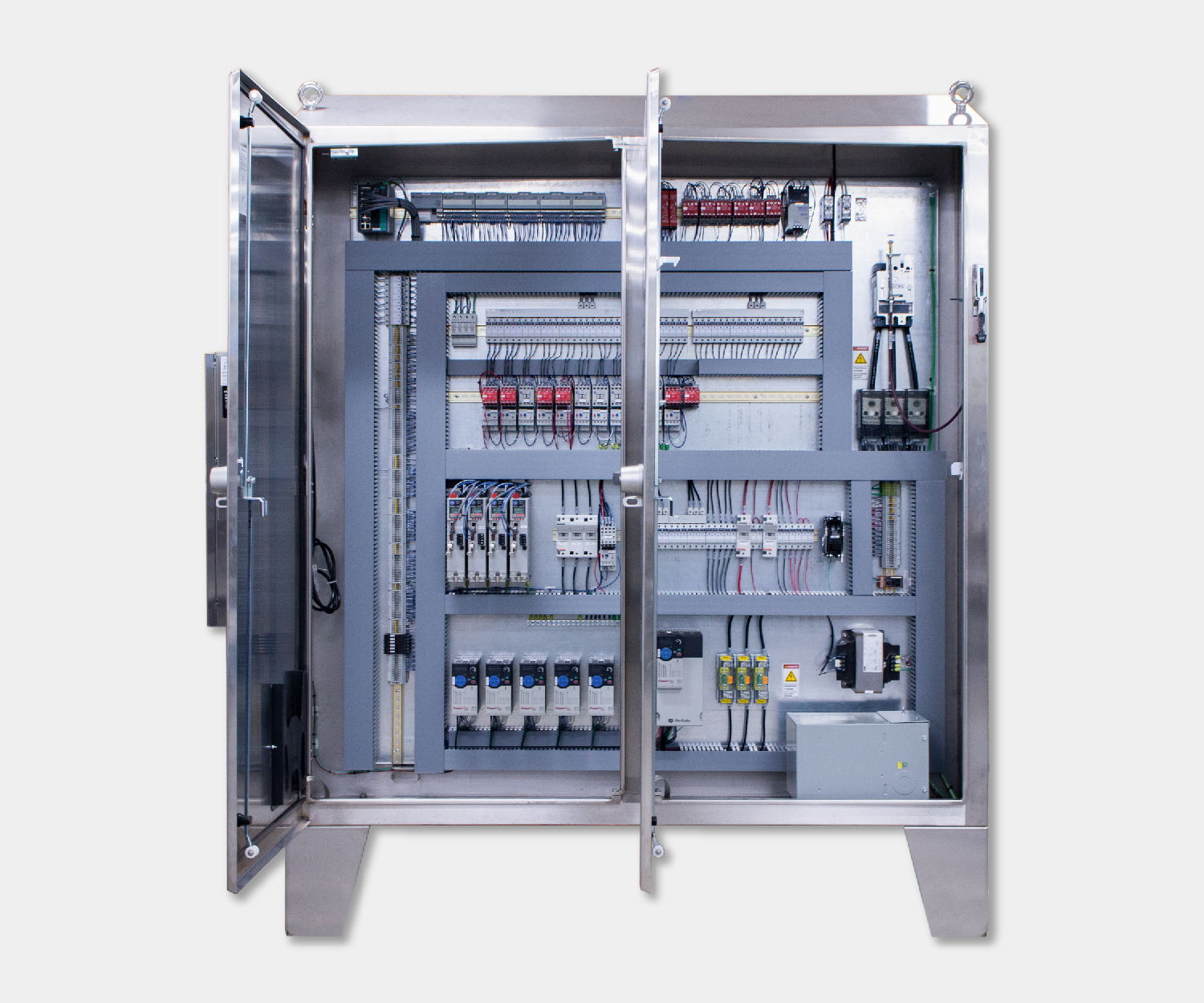
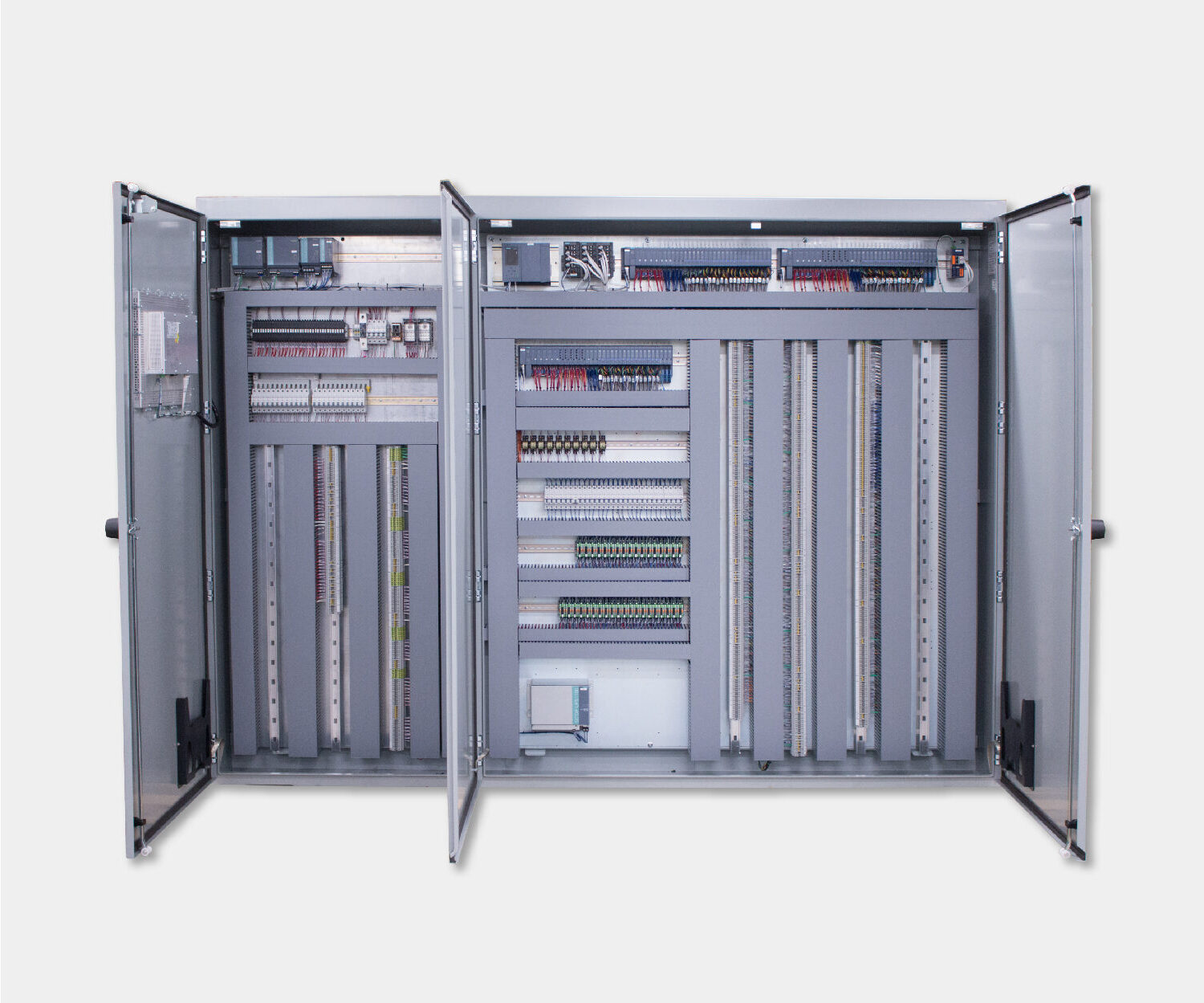
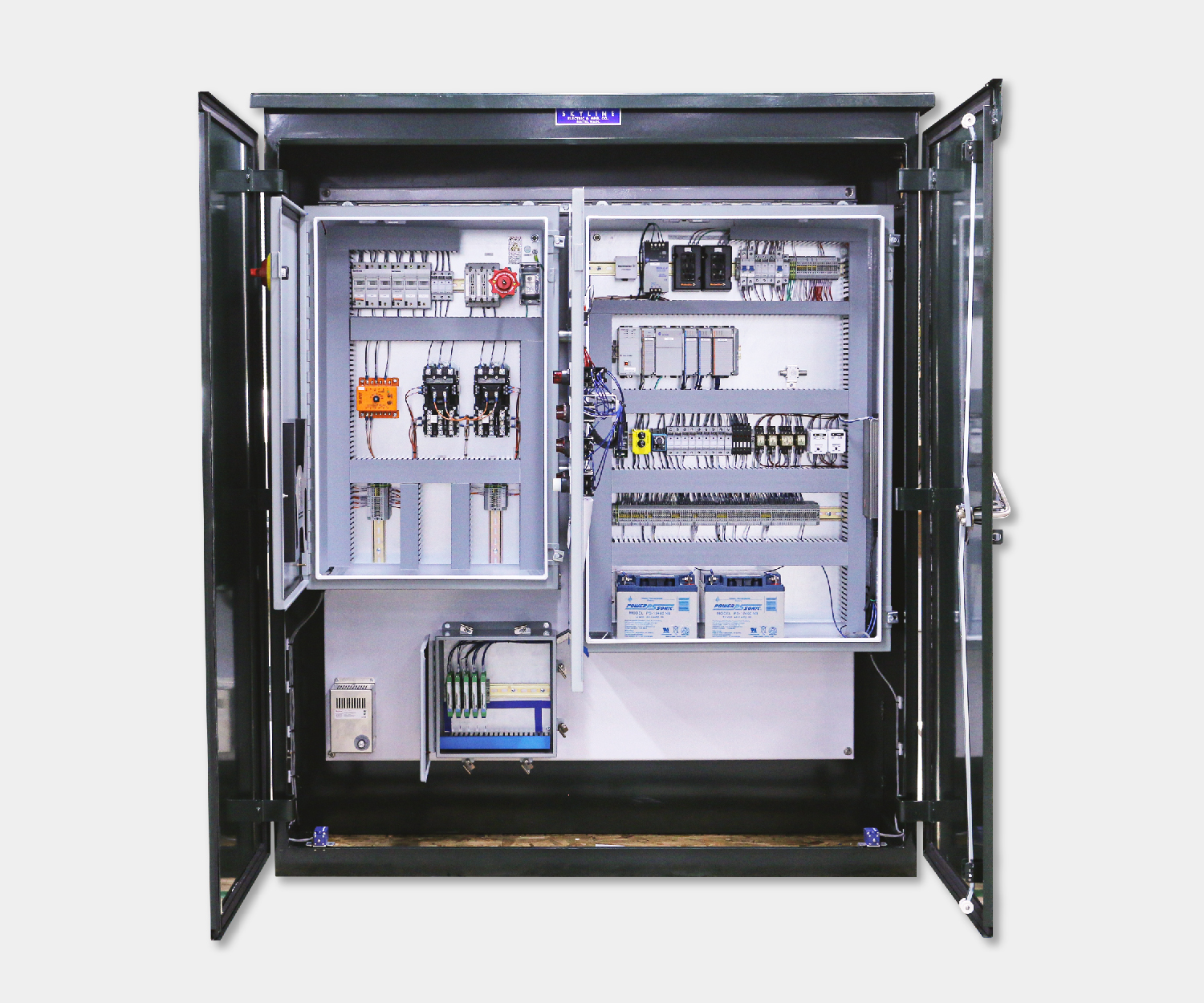
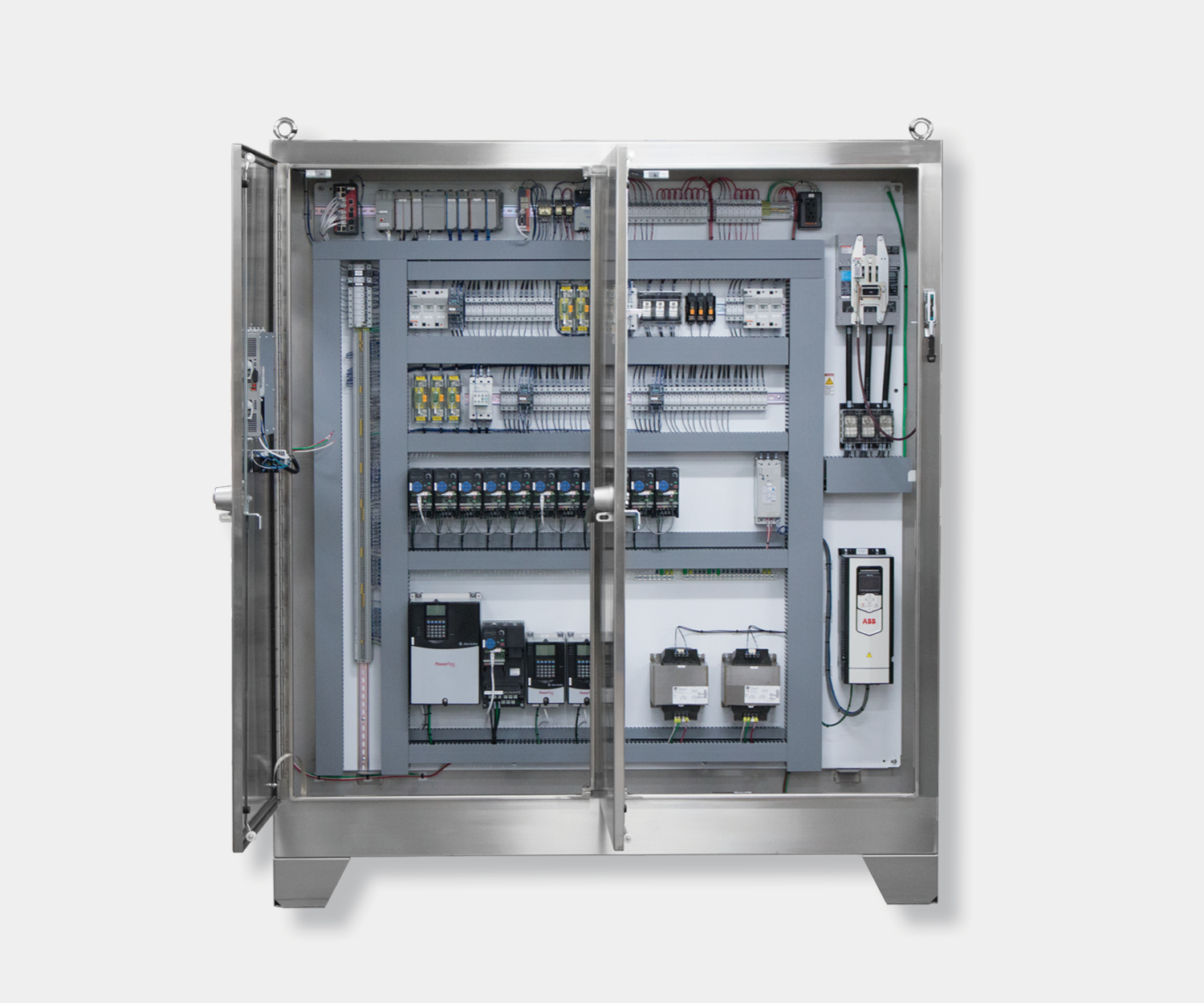
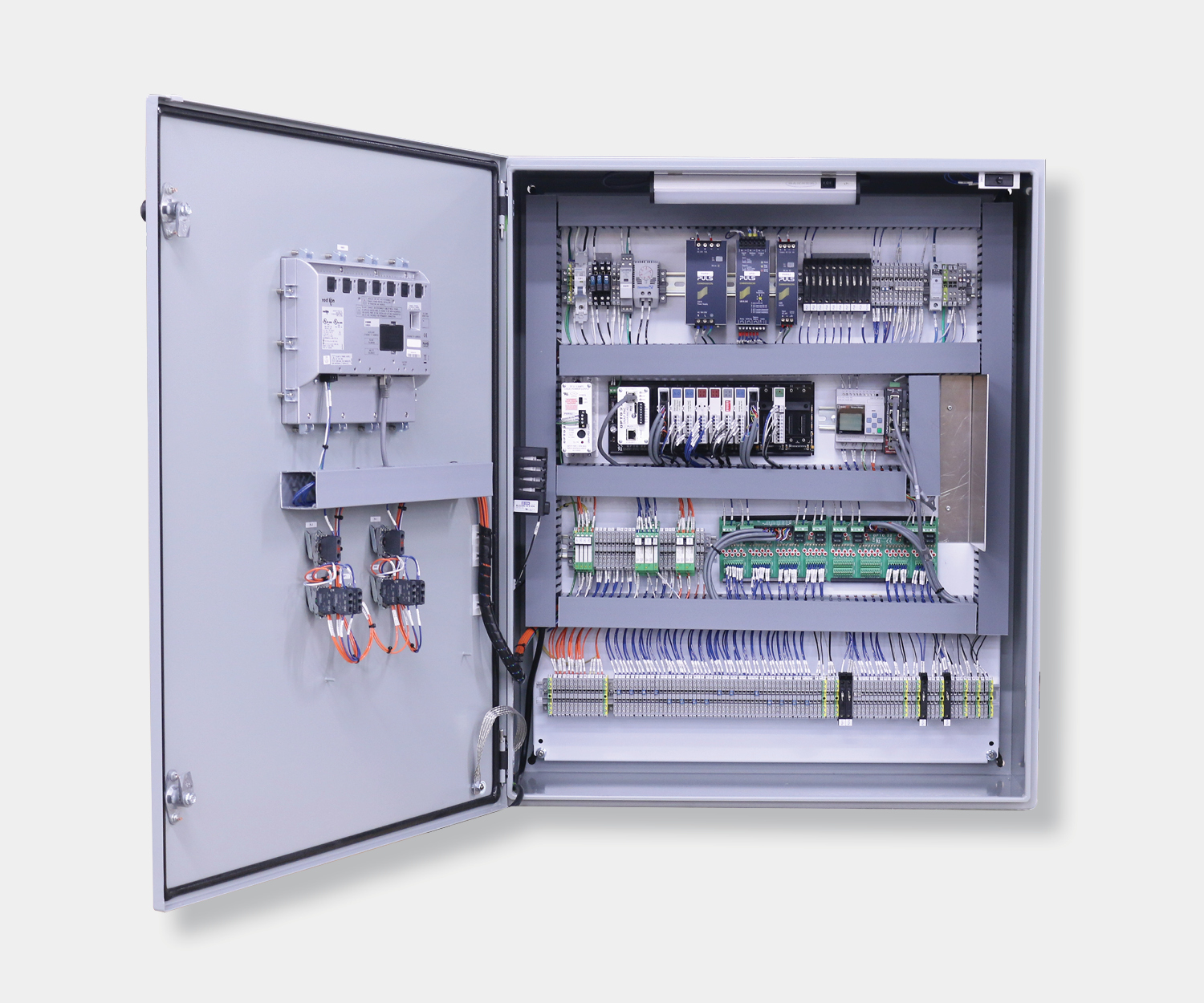
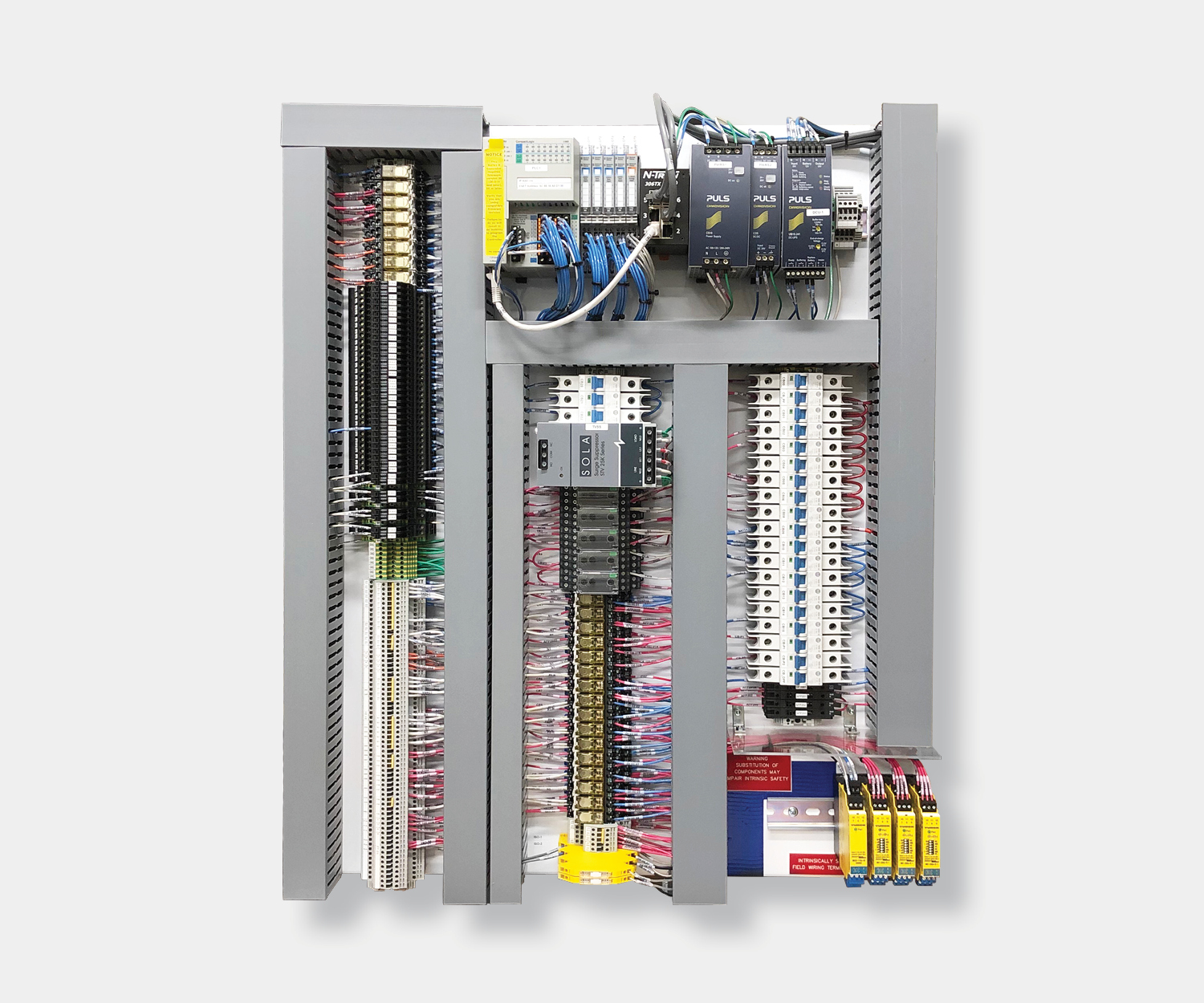
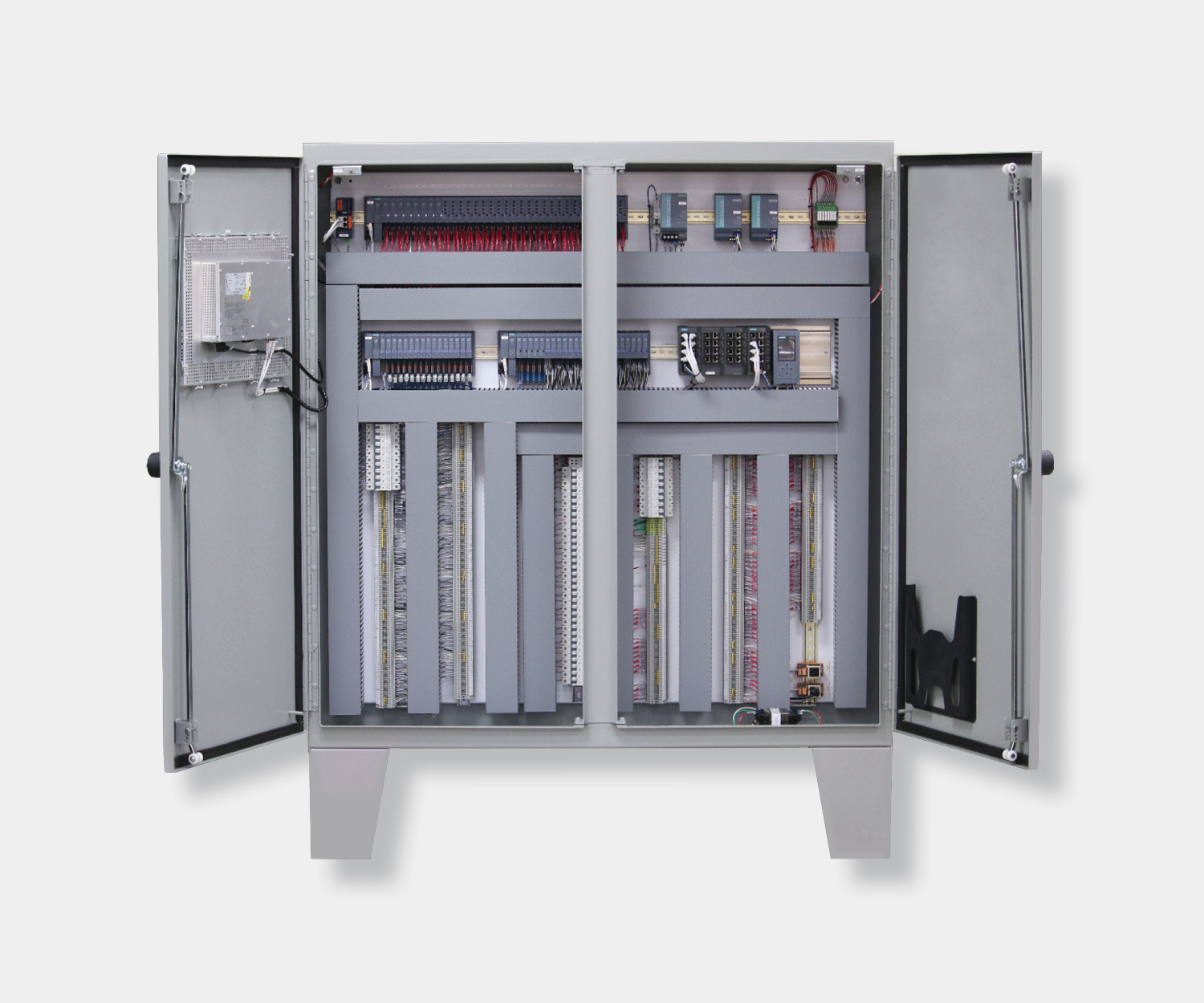
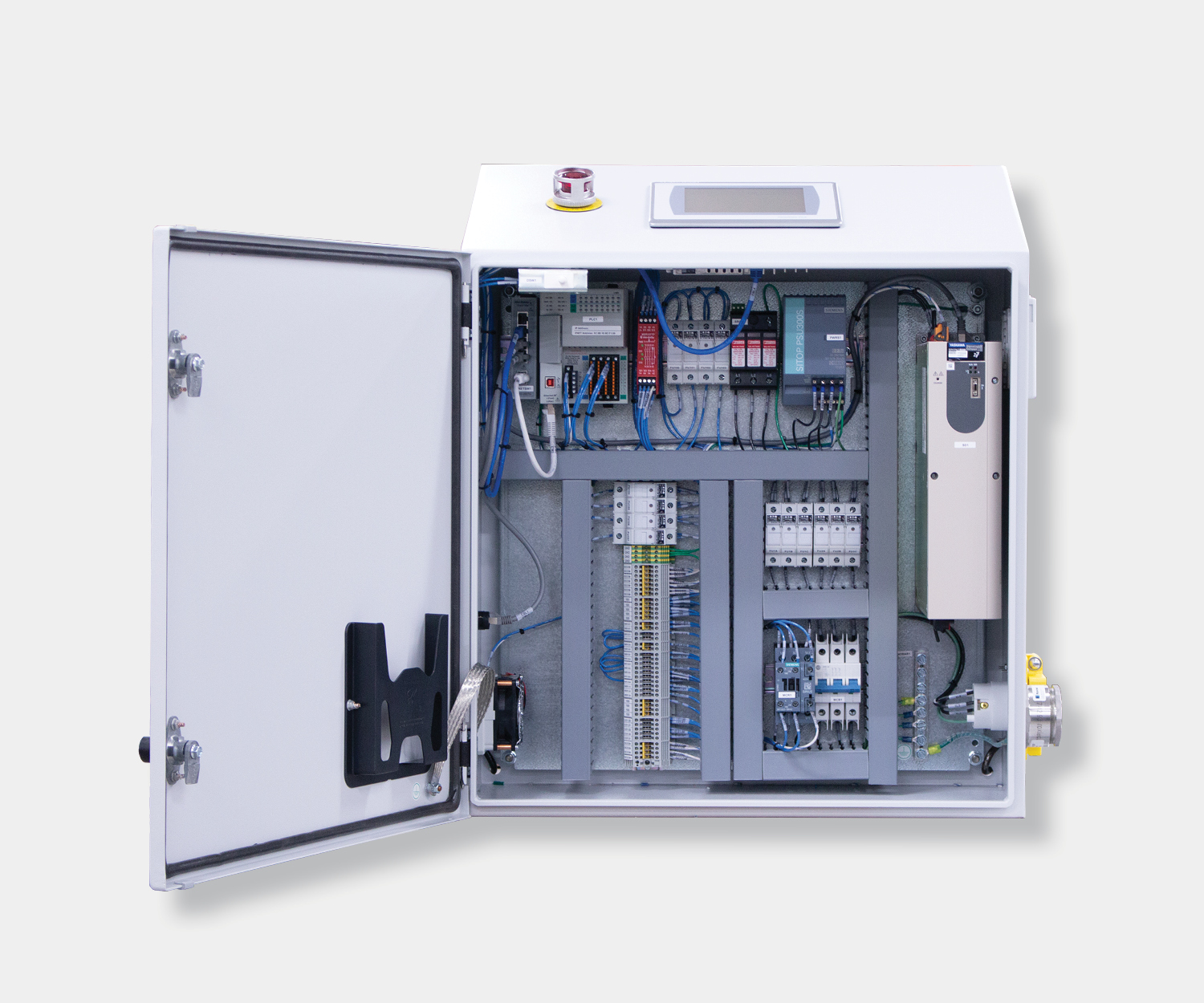
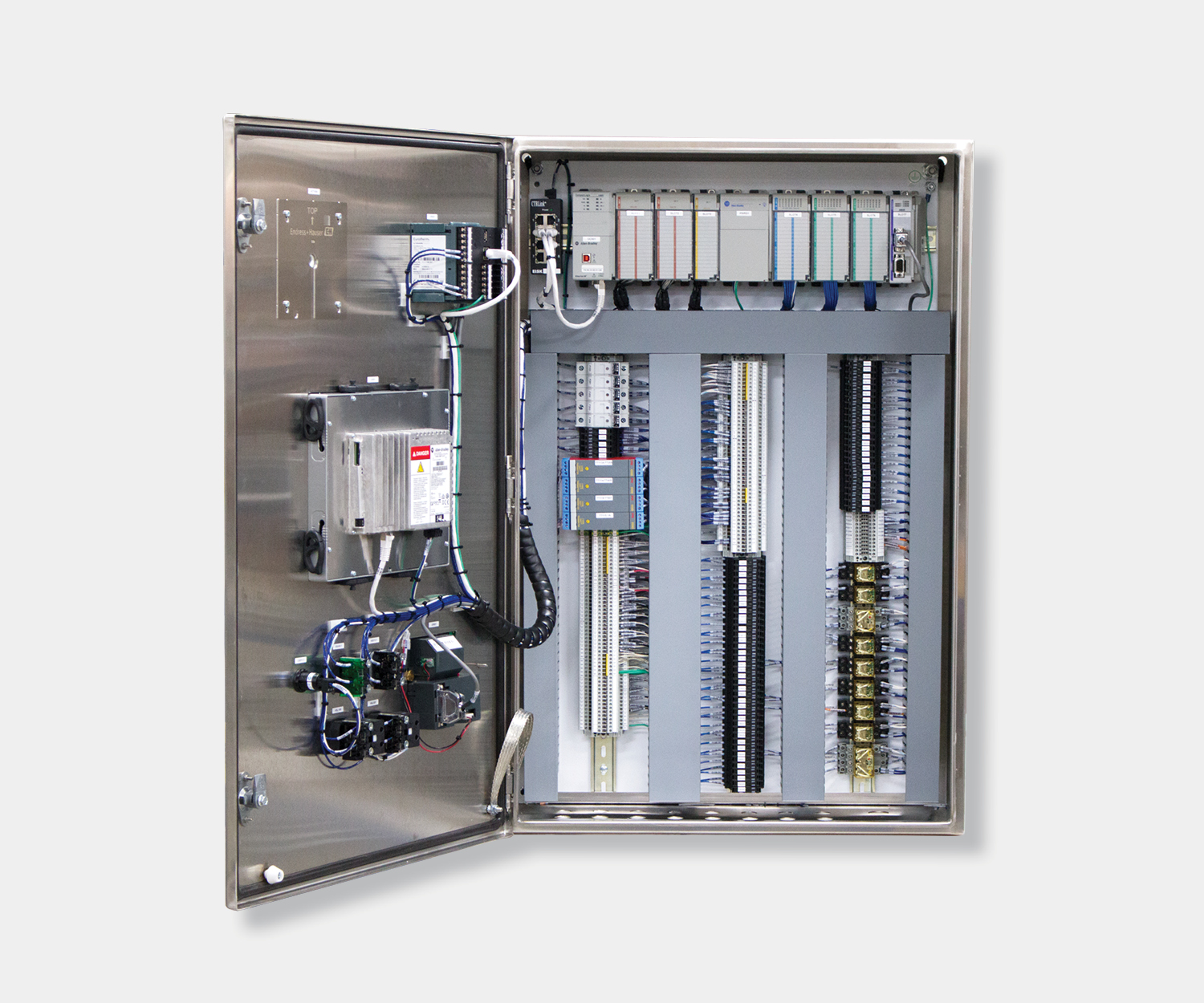
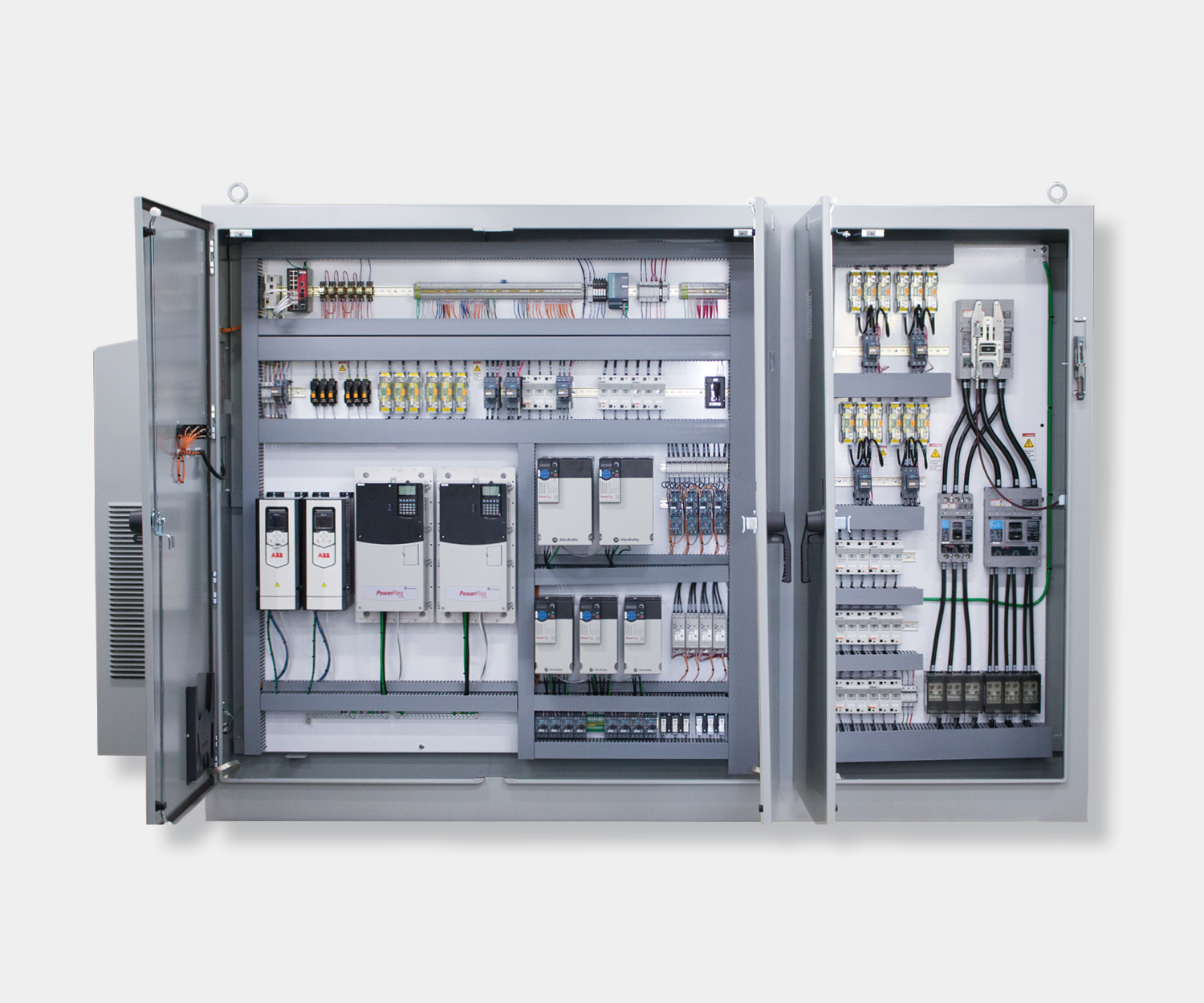
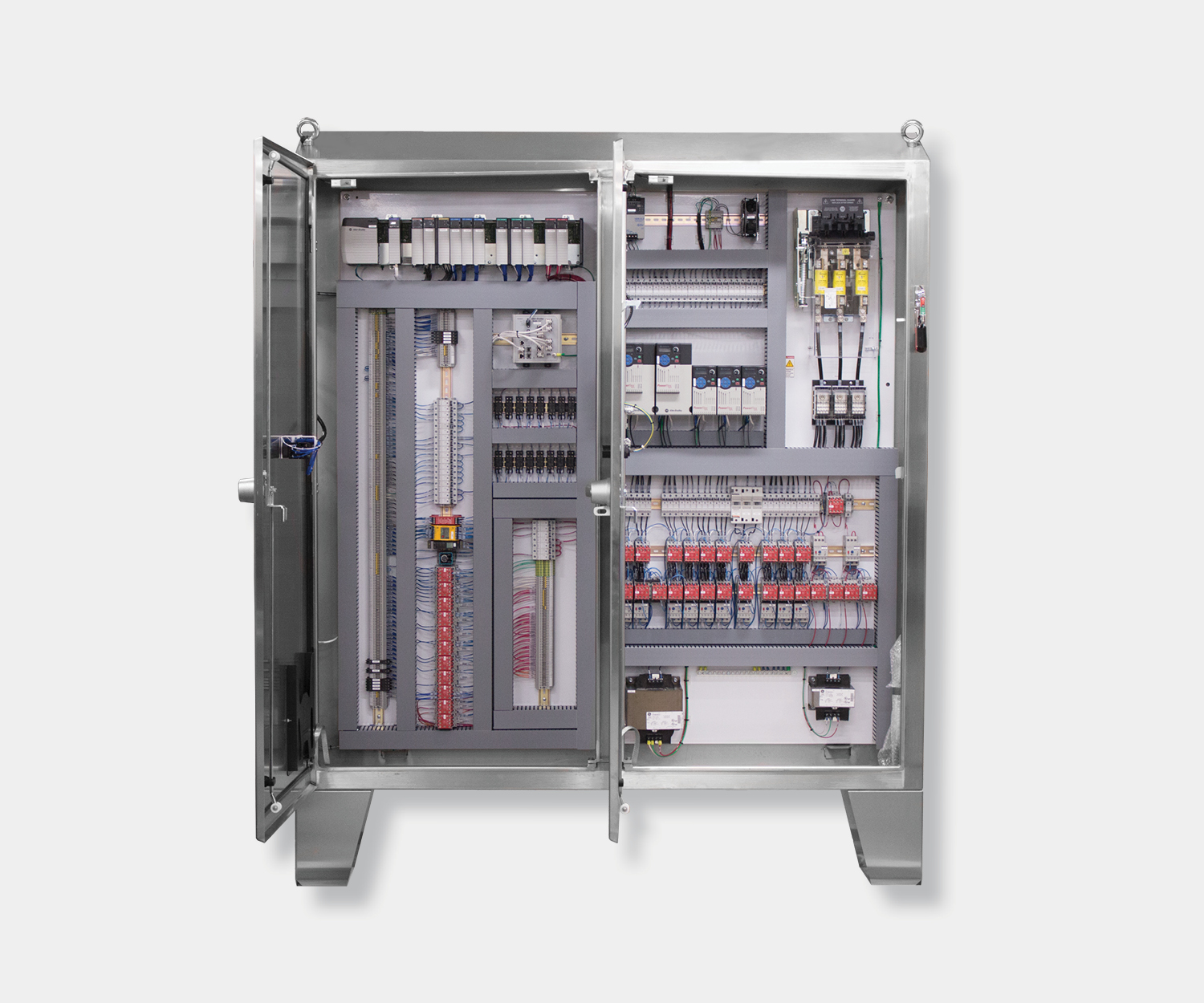
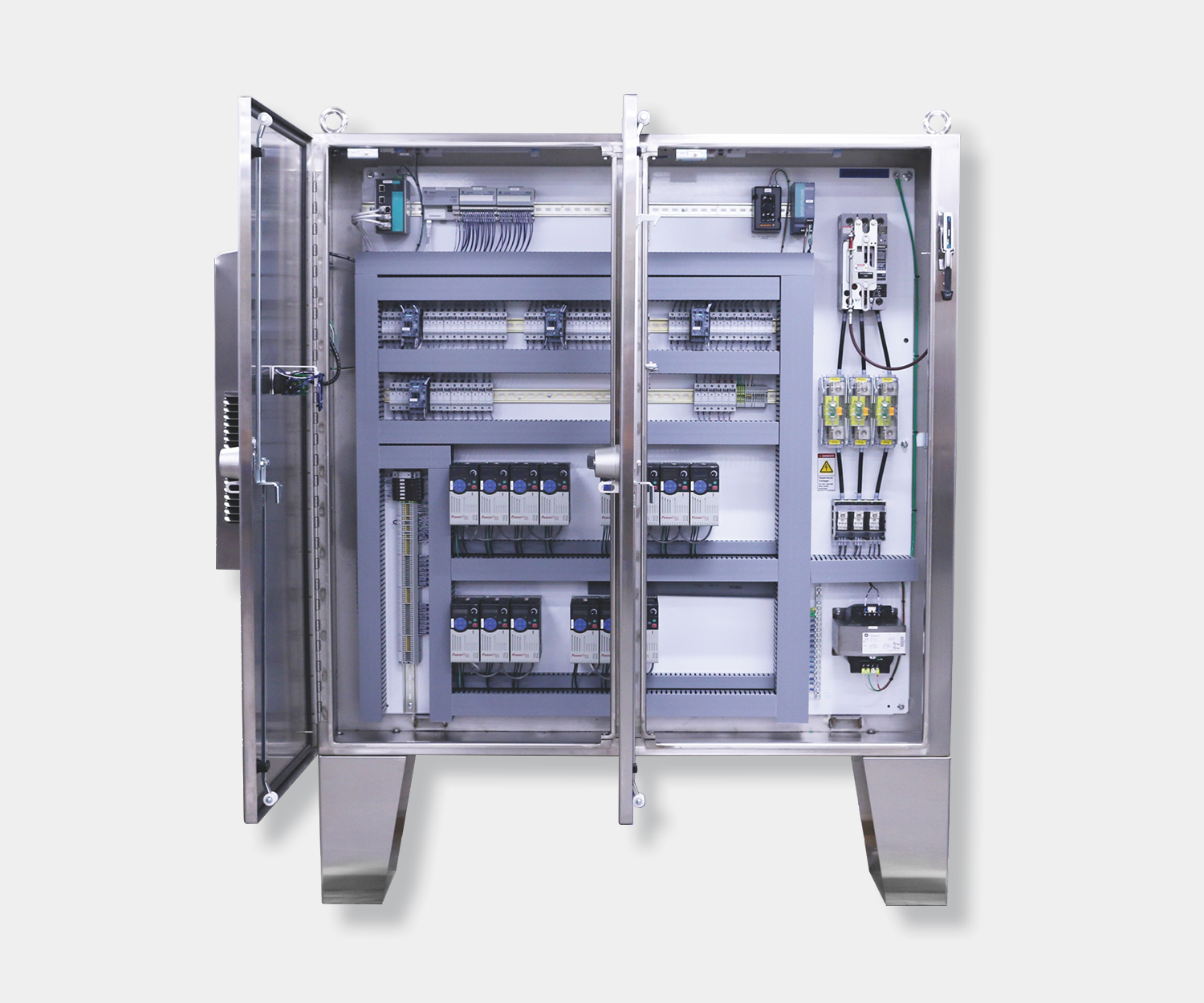
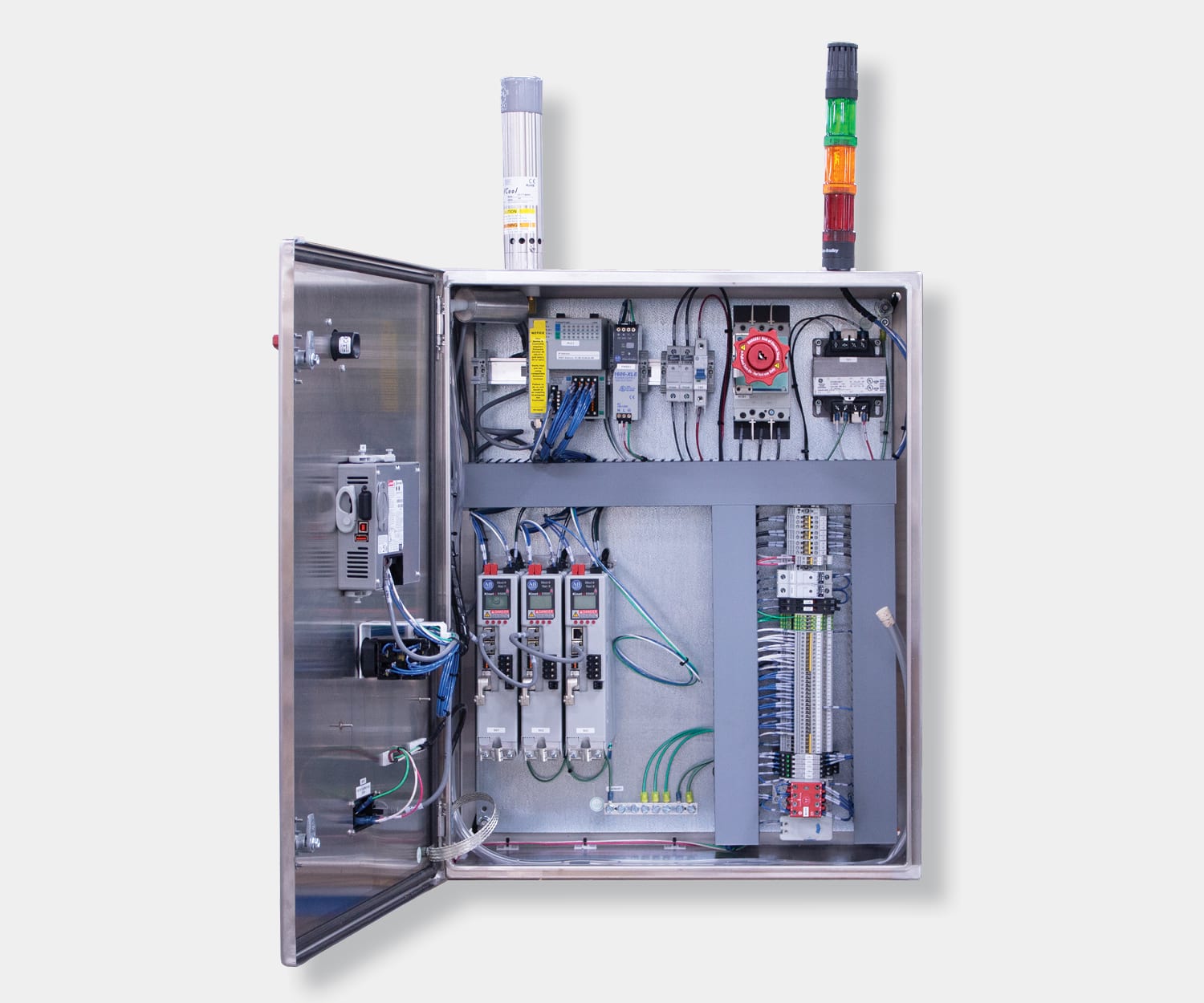
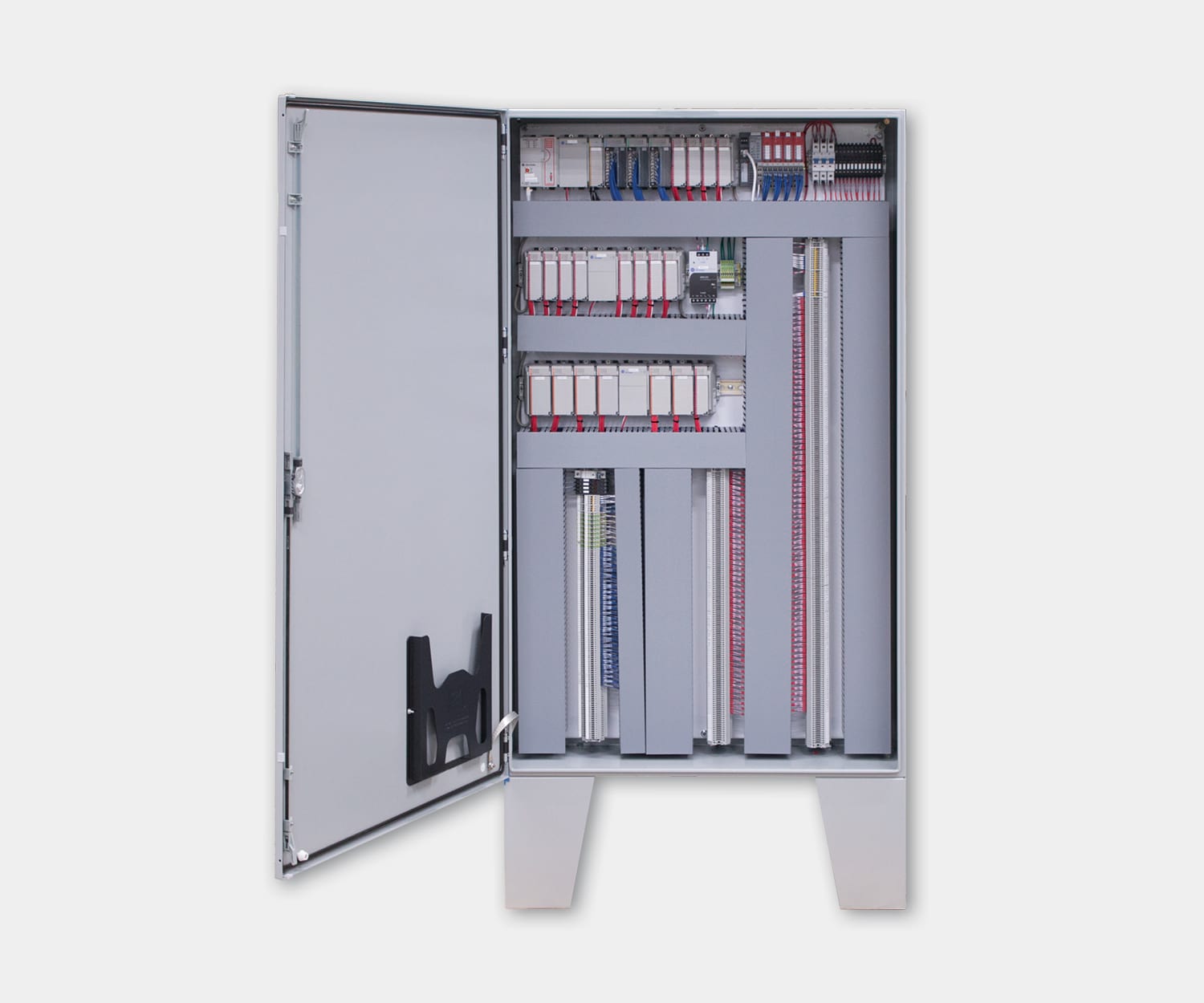
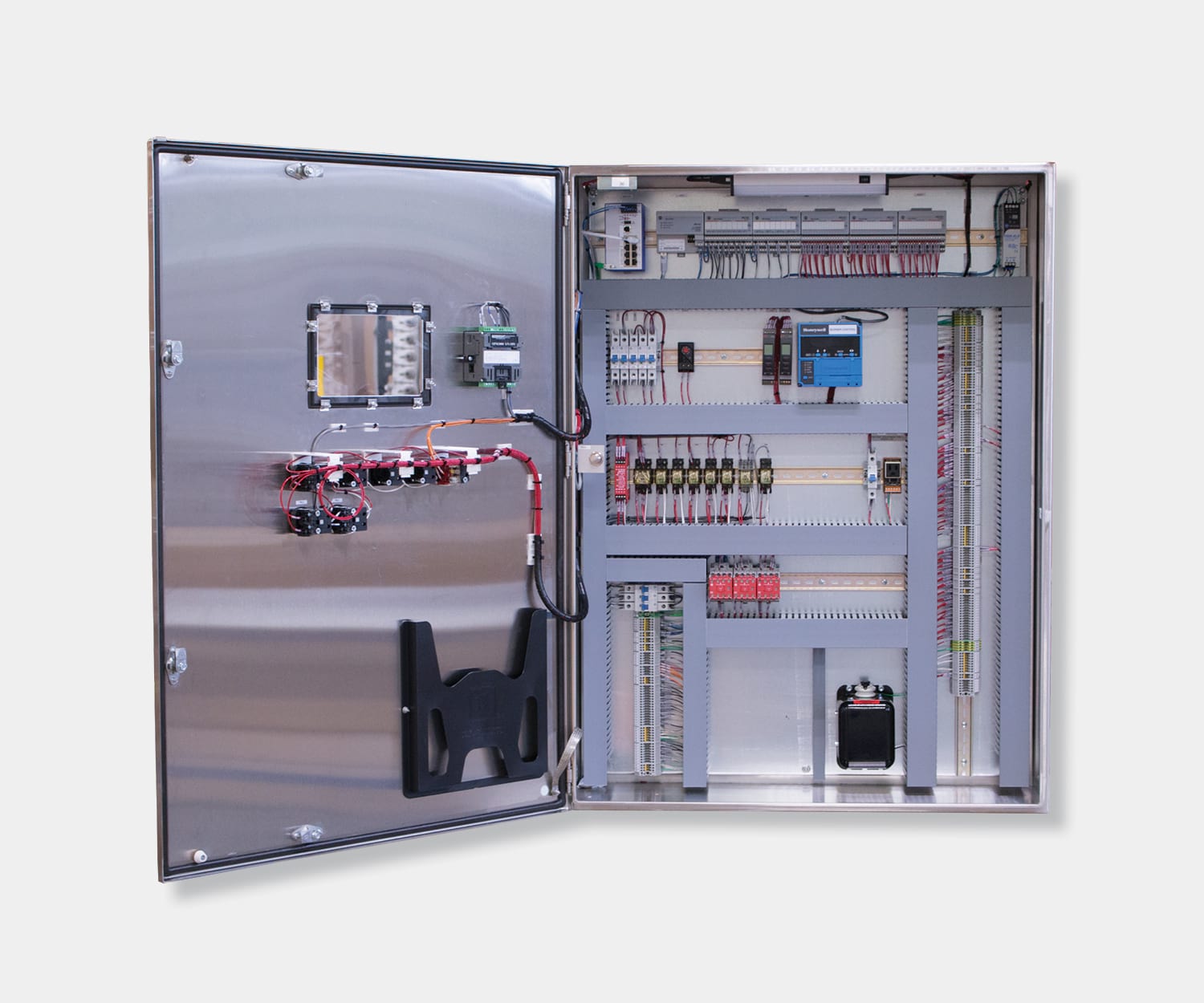
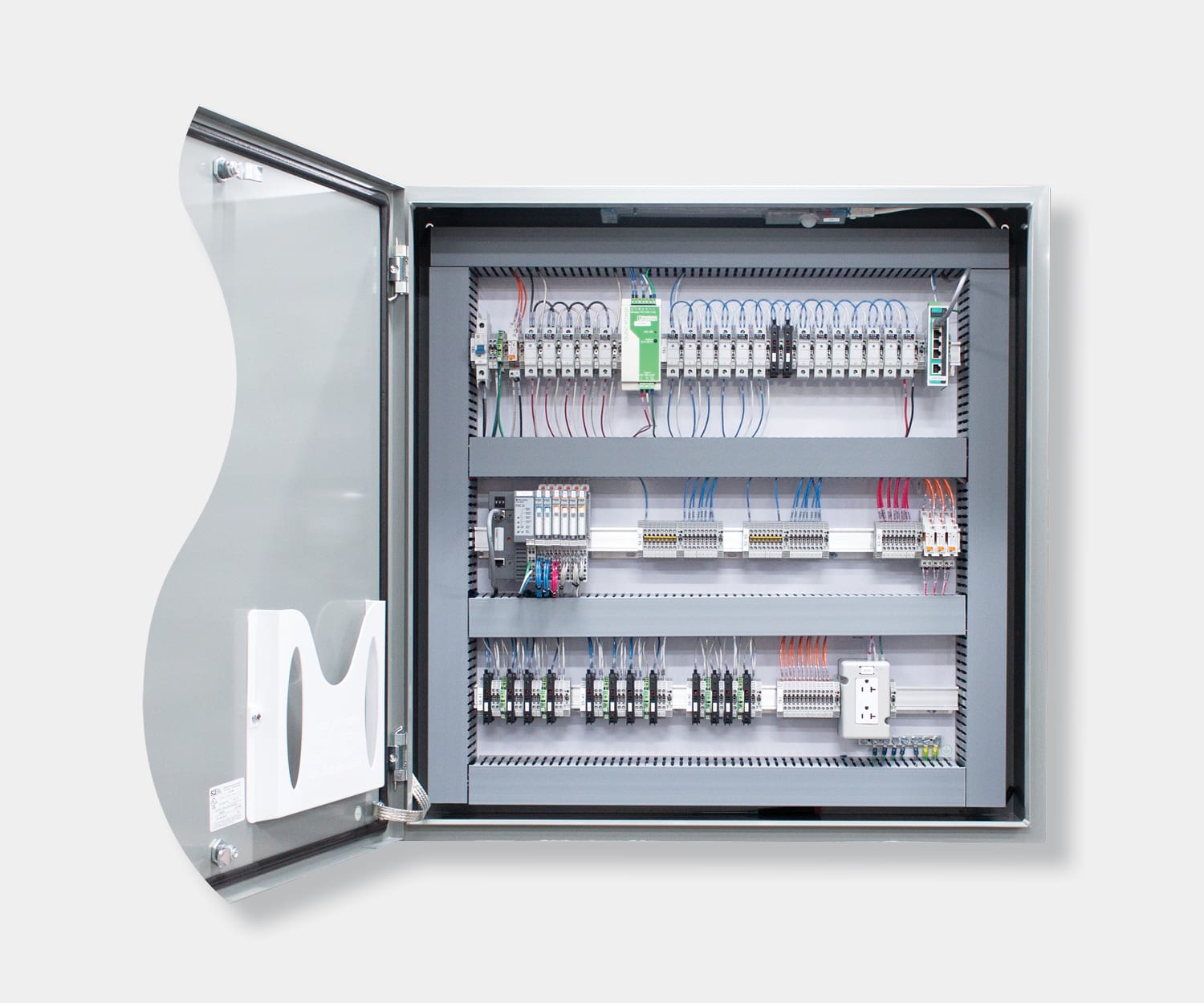
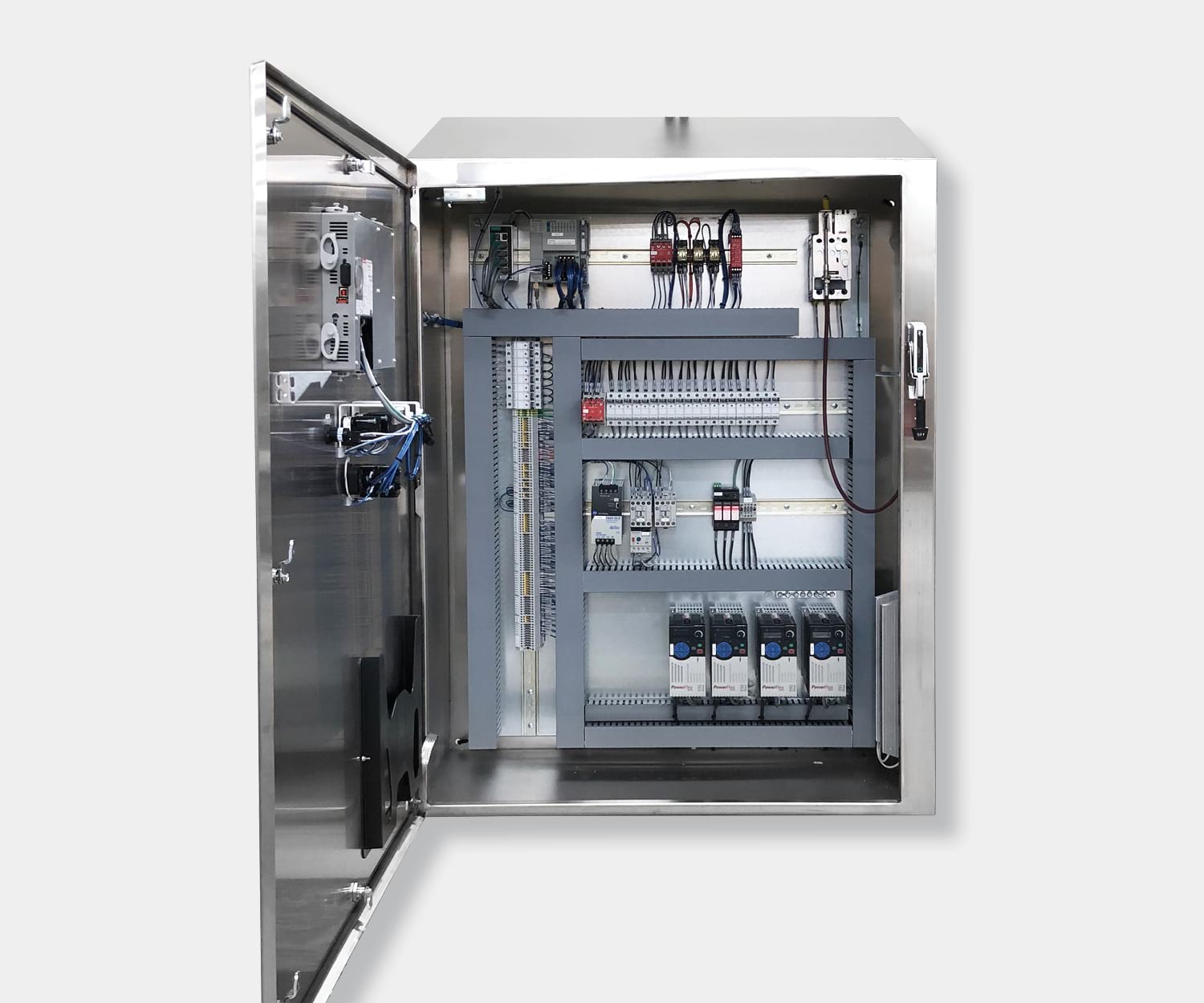
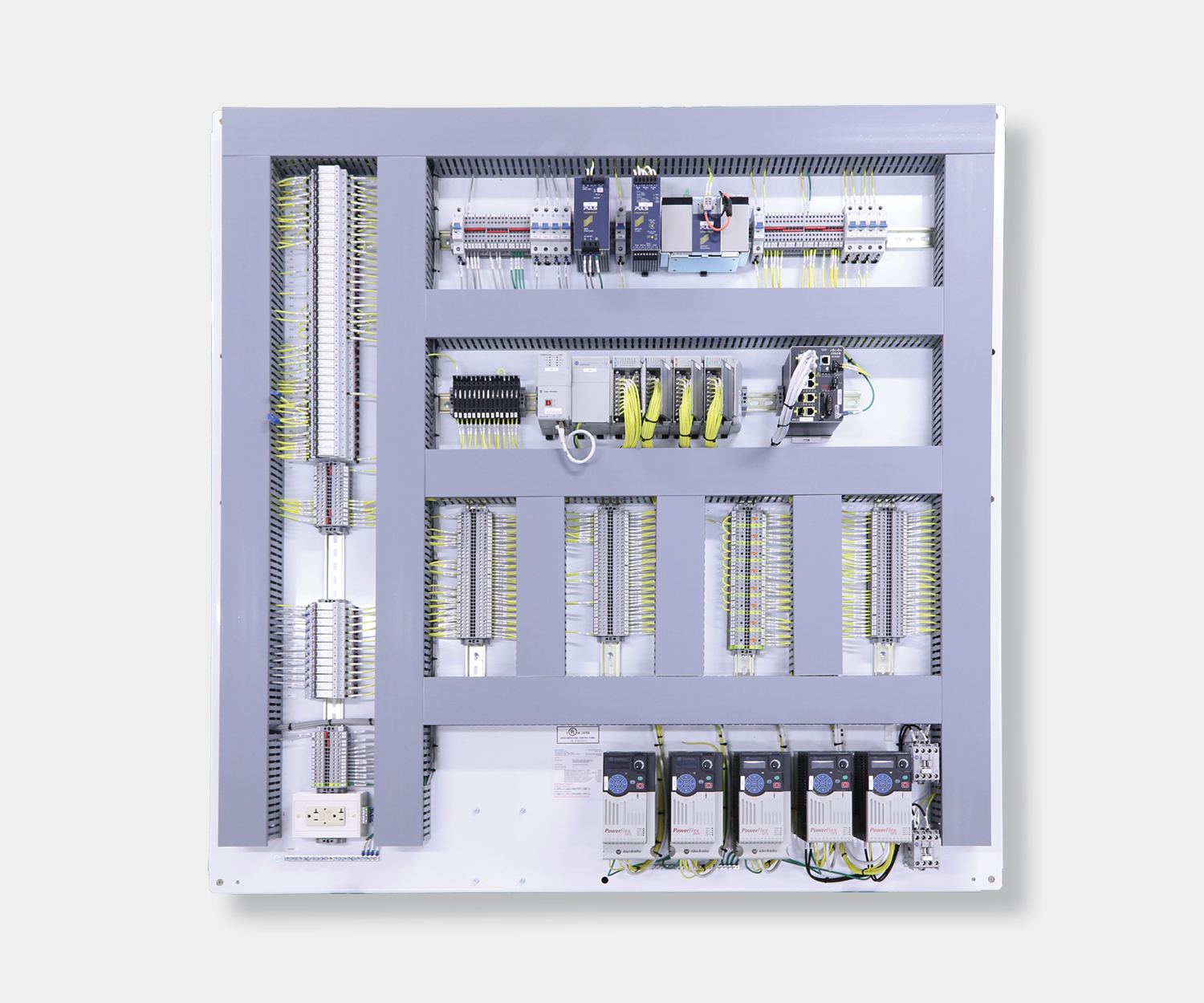
Walk up to any industrial control panel and you’ll see dozens of devices humming along. PLCs processing logic. Sensors detecting position. Relays switching loads. They all need power, but not the AC voltage coming from your facility’s electrical service.
That’s where the industrial DC power supply comes in.

Converting AC to DC Power
The DC power supply converts incoming AC voltage (typically 120V or 240V) into the DC power that control devices require. Almost every modern control component runs on 24V DC.
Why 24 volts specifically? Three reasons. It’s classified as Safety Extra-Low Voltage (SELV), which reduces electrical hazards during maintenance. It’s efficient for the distances and loads found in control panels. And it became the de facto industry standard decades ago, which means components are designed around it.
Your facility’s electrical service delivers AC power. But PLCs don’t run on AC. Sensors don’t run on AC. Most control relays don’t either. The power supply bridges that gap.
Sizing Matters More Than You Think
A power supply isn’t just sized for normal operation. It needs to handle two different scenarios.
Steady-state current is what your devices draw during normal operation. Add up all your PLCs, sensors, indicators, and relay coils. That’s your baseline.
But when devices power up, they pull inrush current. This startup surge can be 2-3 times higher than steady-state draw. Some components, especially older electromechanical devices, create significant inrush.
Undersized power supplies cause intermittent failures that are hard to diagnose. Your panel might work fine for weeks, then randomly reboot when multiple devices start simultaneously. Or certain sensors might not initialize properly after a power cycle.
The math isn’t complicated, but it requires knowing what you’re actually powering. Many panels get built with undersized supplies because someone forgot to account for future expansion or missed calculating inrush properly.
Where DC Power Gets Used
24V DC shows up everywhere in control panels.
PLC input and output modules need it. Proximity sensors and photoelectric sensors run on it. Indicator lights, push buttons with LED illumination, and control relays all draw 24V DC. Even some smaller pneumatic valves use DC solenoids.
The only components that typically don’t use 24V DC are the larger loads. Motors, contactors, and high-power devices run directly on AC. Everything else? Likely DC.
Calculating Your Power Requirements
Load calculations should include a safety margin. Plan for 20-30% extra capacity beyond your calculated draw. This accounts for inrush current and gives room for future additions without replacing the power supply.
Redundant power supplies make sense for critical applications. If your process can’t tolerate even brief power interruptions, two supplies feeding a redundancy module prevent single points of failure.
Temperature matters too. Power supplies derate in hot environments. A panel sitting in a non-climate-controlled space needs more generous sizing than one in a controlled room.
Getting Power Right From the Start
The DC power supply might be one component among dozens, but it affects everything downstream. Size it wrong and you’ll chase phantom problems. Size it right and it disappears into the background, doing its job reliably for years.
Want to understand how DC power supplies fit into the complete control panel architecture? Check out our Control Panel Anatomy guide for a detailed breakdown of every major component.
Need help sizing power supplies for your facility’s control systems? Our team can assess your requirements and design panels that handle your current needs with room to grow.
Frequently Asked Questions
Q: Can I use a 12V DC power supply instead of 24V in my control panel?
No. Almost all modern industrial control components are designed for 24V DC operation. Using 12V will cause devices to malfunction or not work at all. Stick with 24V unless you have very specific legacy equipment that requires different voltage.
Q: How do I calculate the right power supply size for my control panel?
Add up the current draw of all your DC devices (check device specifications), multiply by 1.3 to account for inrush current and safety margin, then select a power supply rated for at least that capacity. When in doubt, go larger rather than smaller.
Q: What’s the difference between a switching power supply and a linear power supply?
Switching power supplies are lighter, more efficient, and generate less heat, which is why they’re standard in industrial panels. Linear supplies are older technology, bulkier, and less efficient. Modern control panels almost exclusively use switching supplies.
Q: How long do industrial DC power supplies typically last?
Quality industrial power supplies typically last 10-15 years in normal operating conditions. High temperatures, frequent power cycling, and operating near maximum capacity all reduce lifespan. Most failures give warning signs like increased noise or voltage instability.
Q: Do I need a separate power supply for each device in my control panel?
No. One properly sized power supply can power multiple devices. The 24V DC output feeds a distribution system that connects to all your control devices. You only need multiple supplies for redundancy or if your total load exceeds what a single supply can handle.