Power Distribution Blocks to Organize Control Panel Wiring

Quick Summary

Power distribution blocks split large incoming power feeds into smaller branch circuits throughout your control panel. These machined aluminum or copper components distribute power to dozens of devices without creating a tangled mess of wires. Once you understand how they work, your panels get cleaner and a lot easier to maintain.

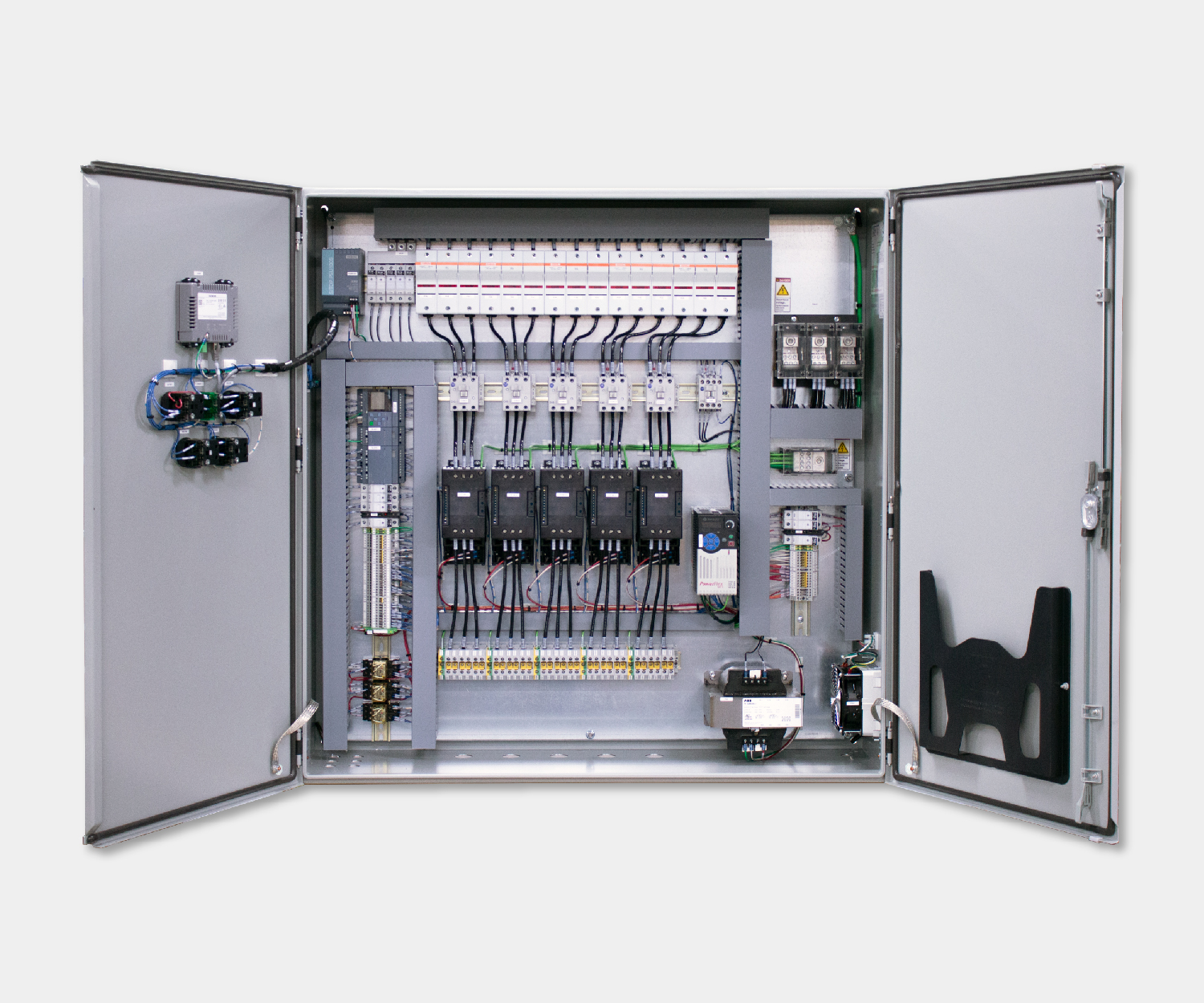
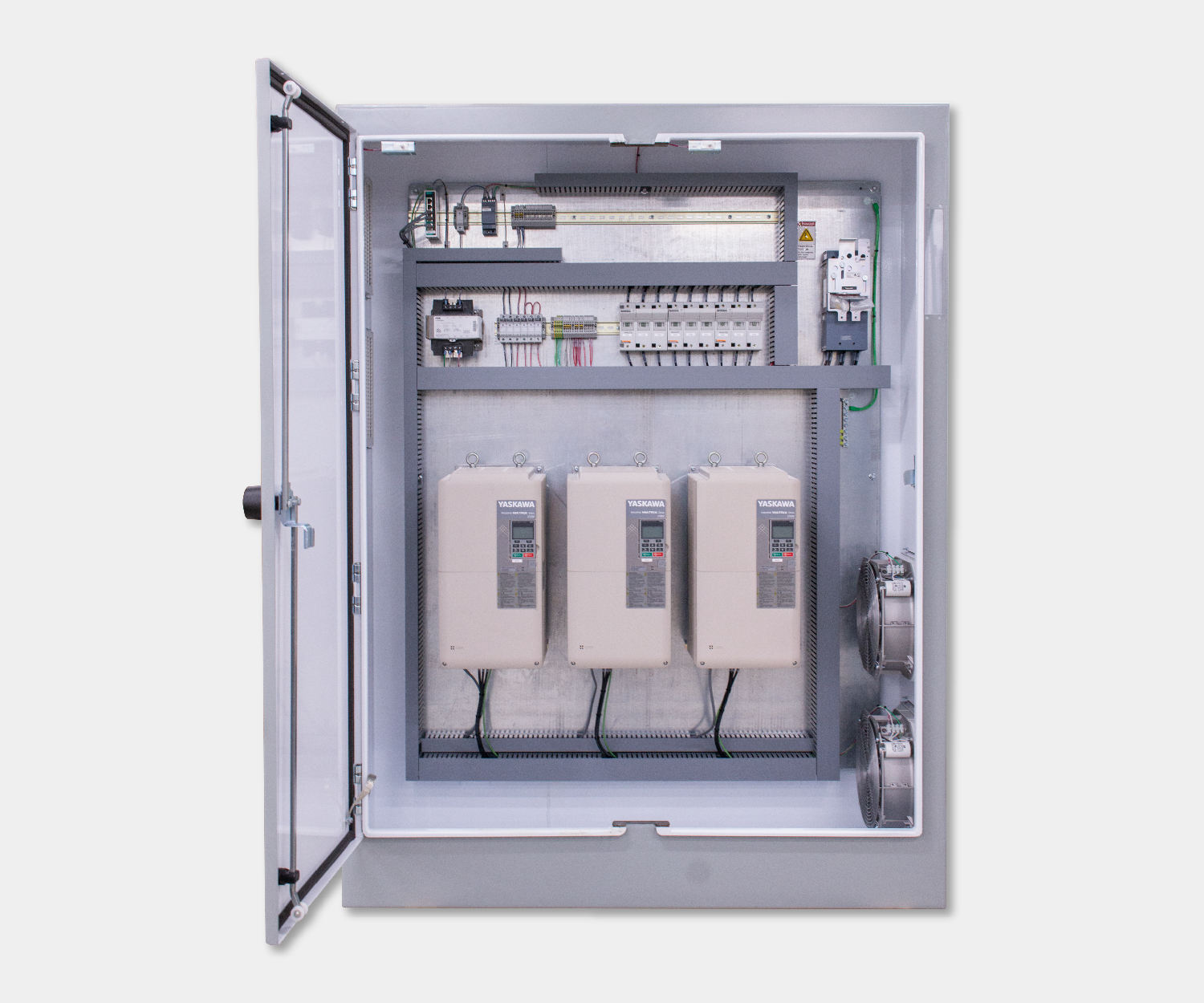
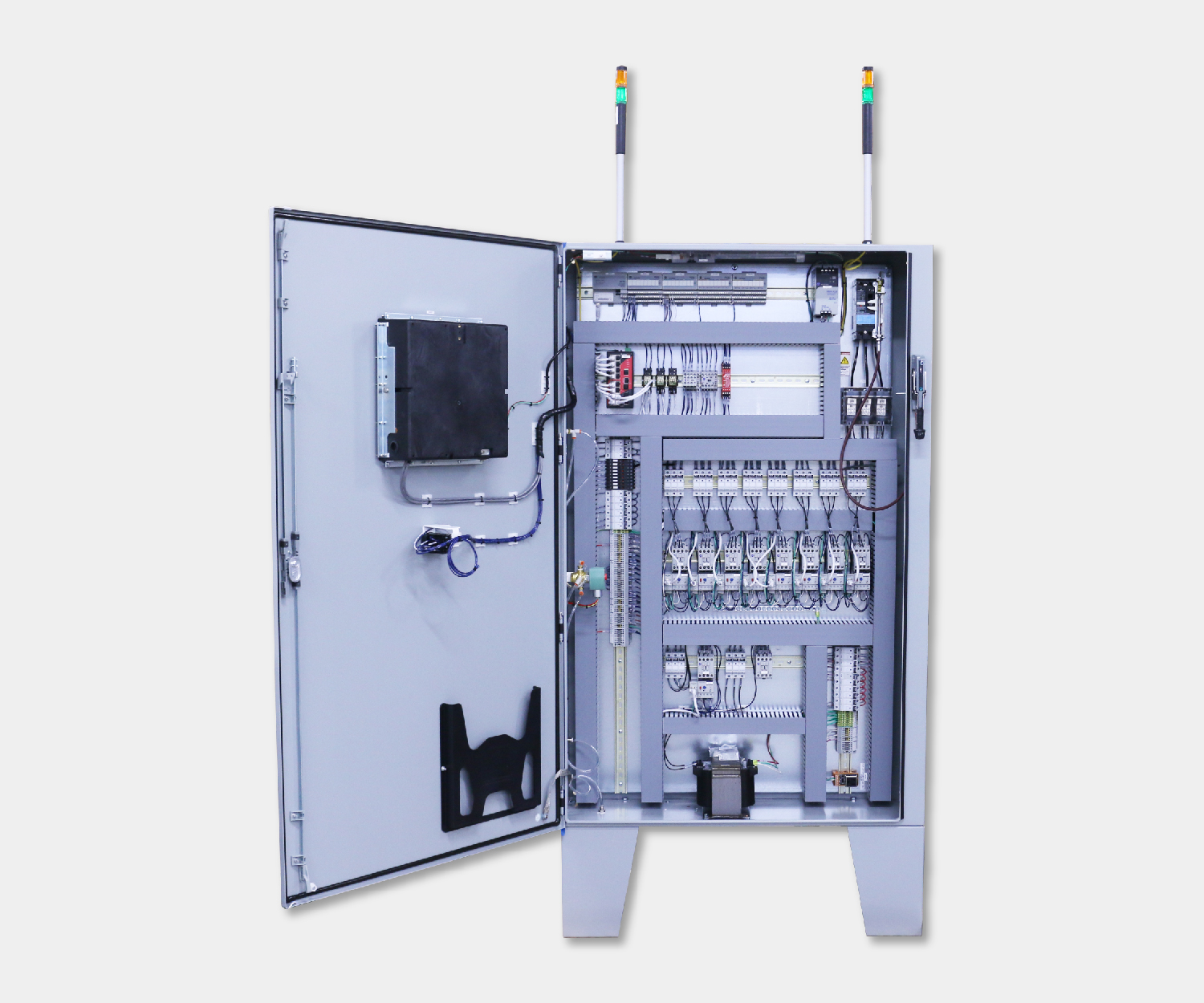
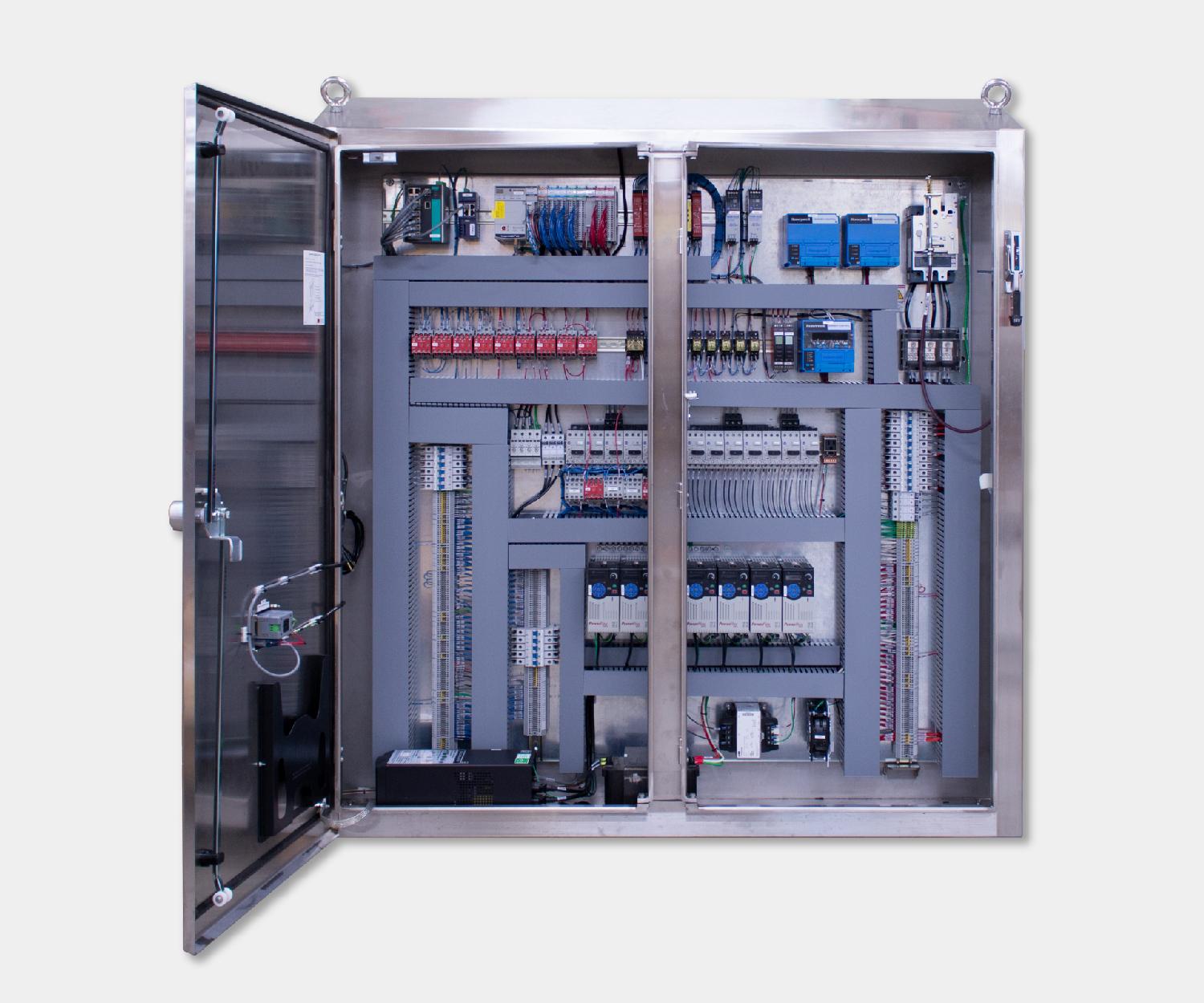
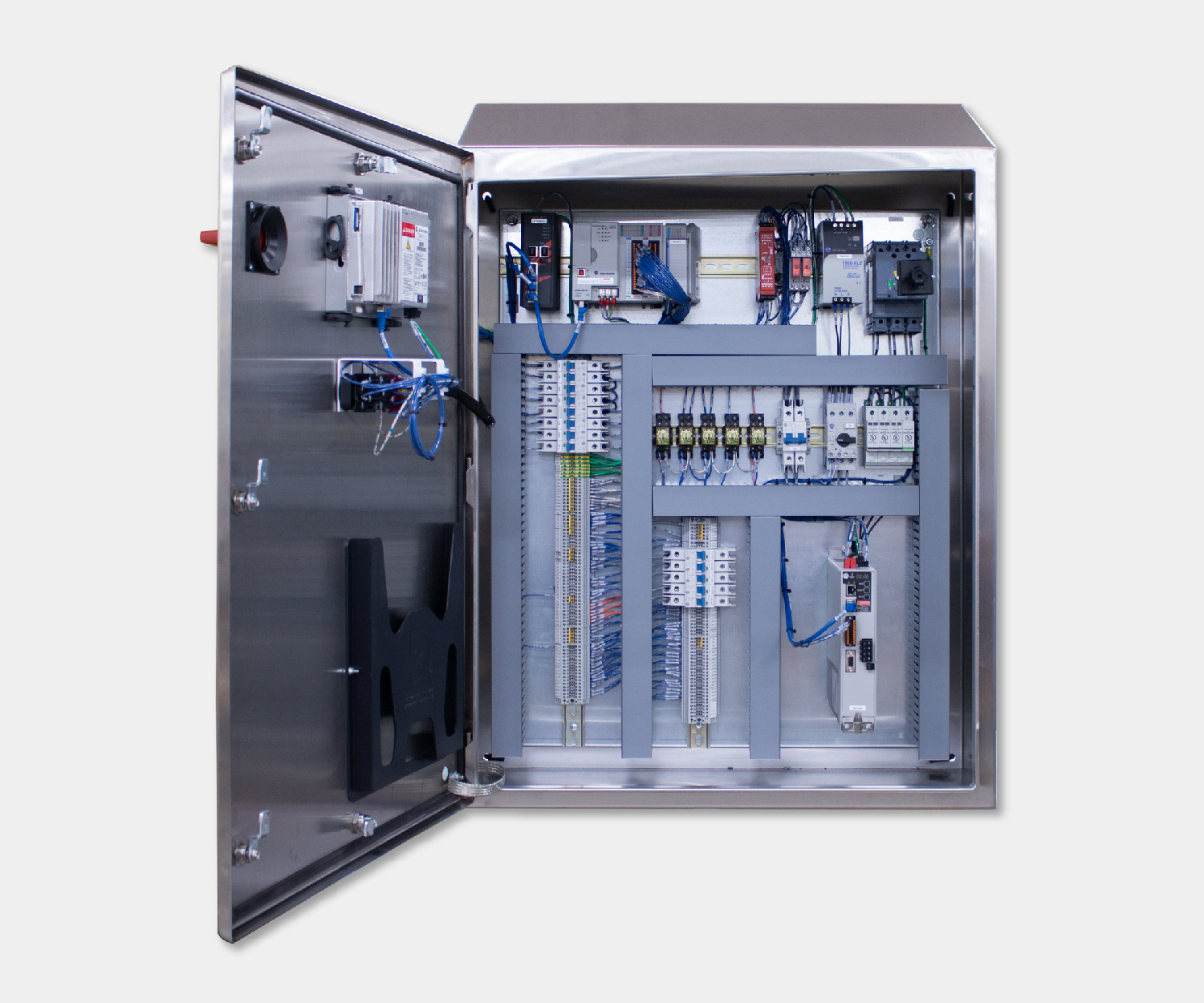
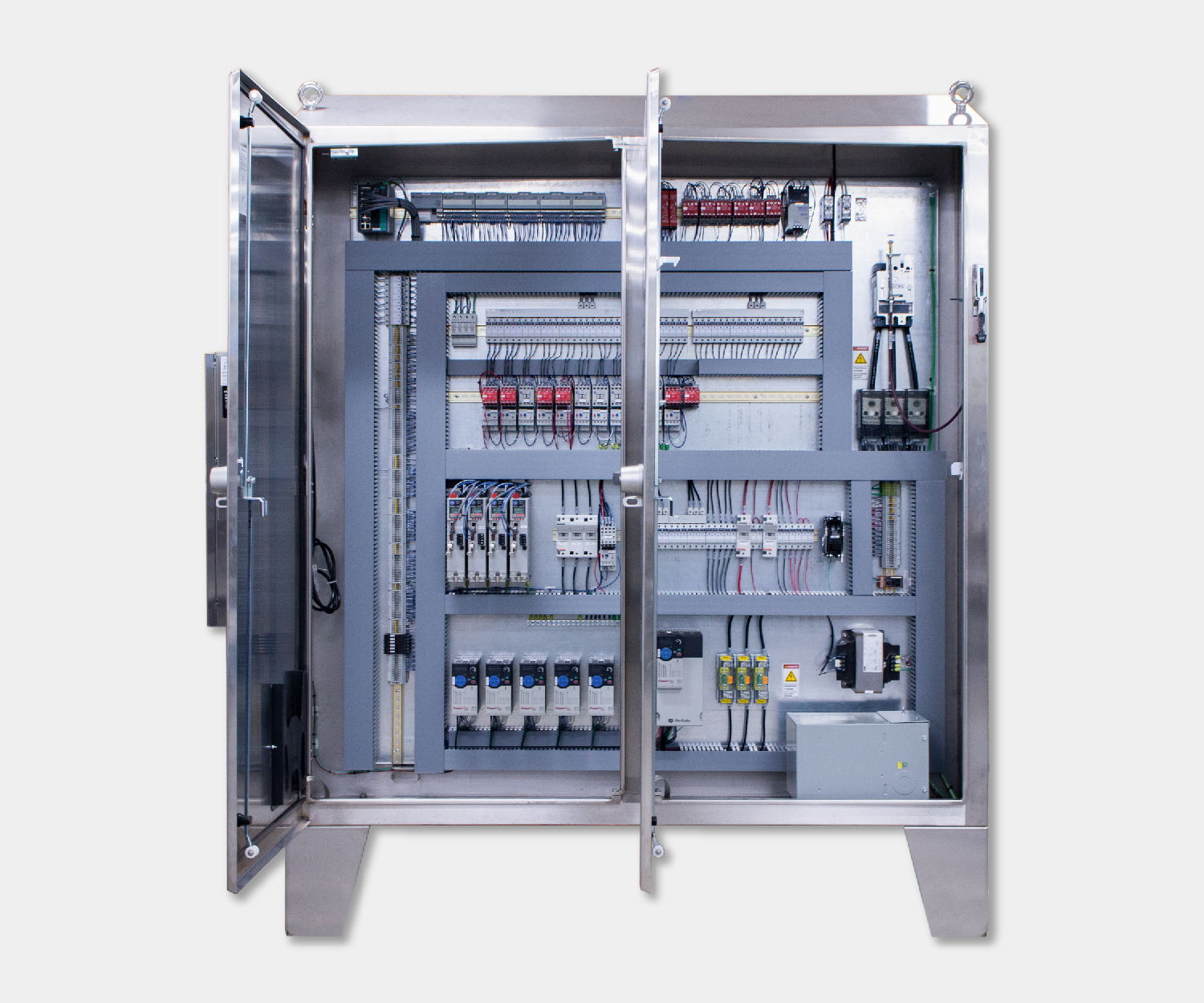
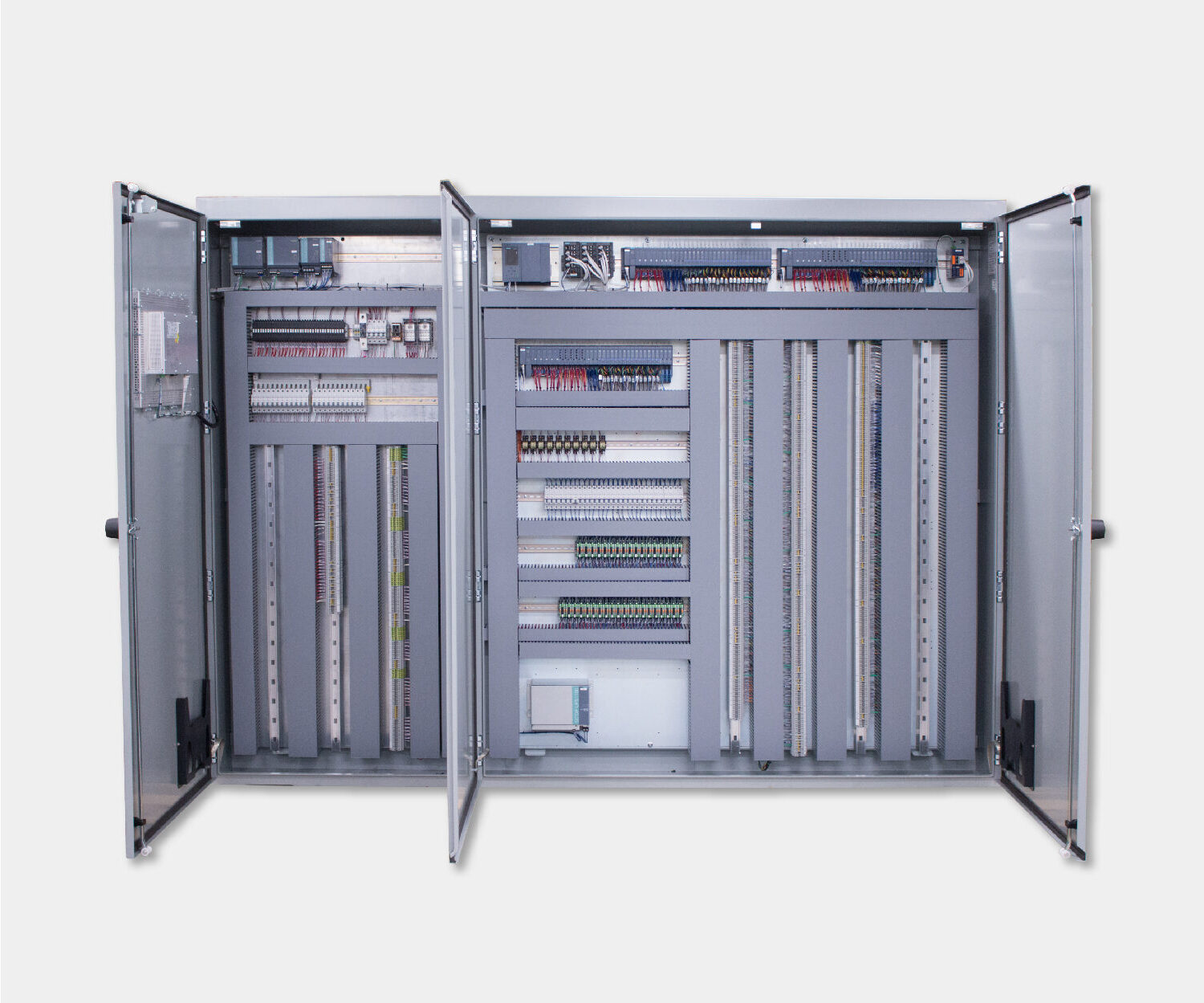
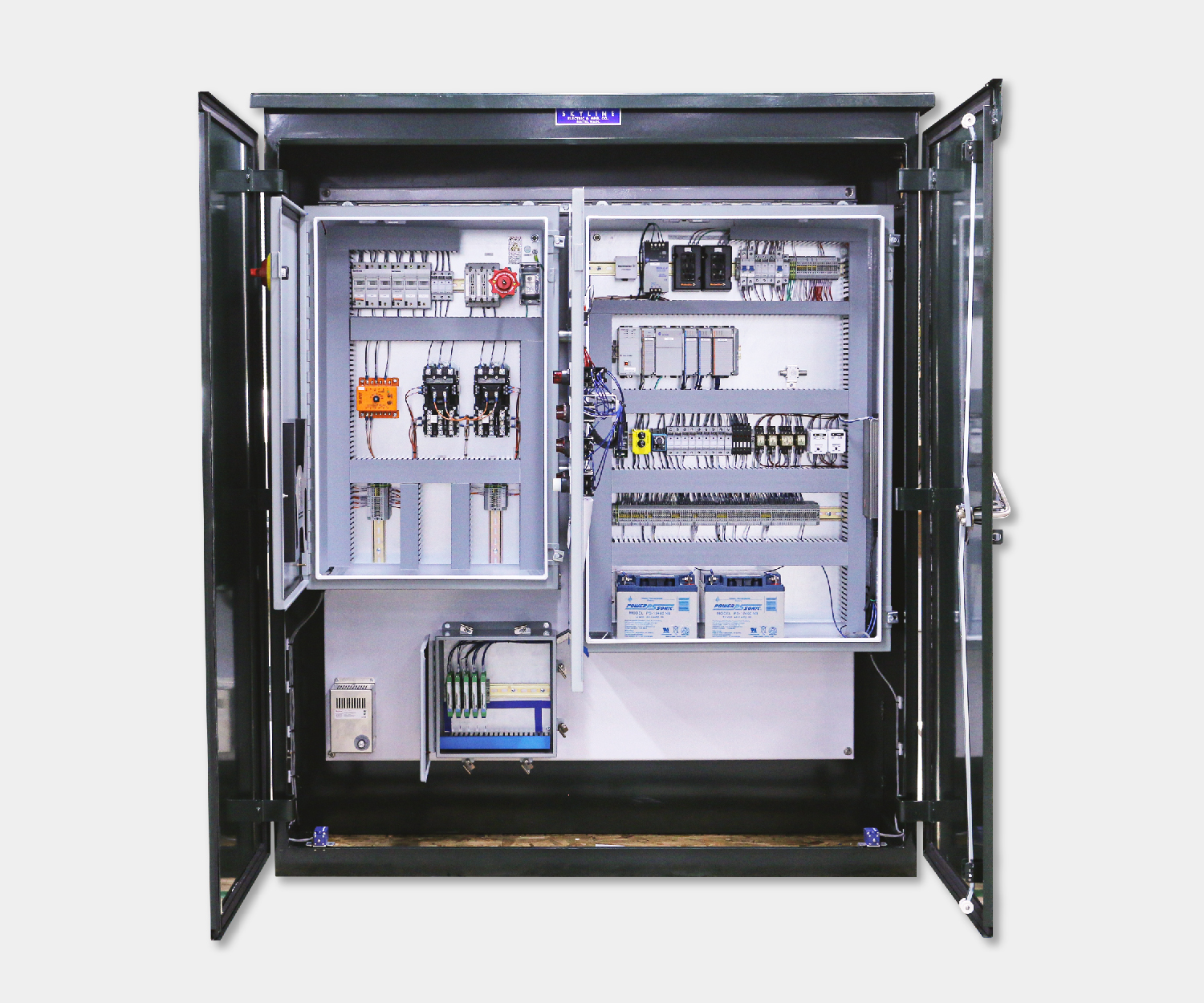
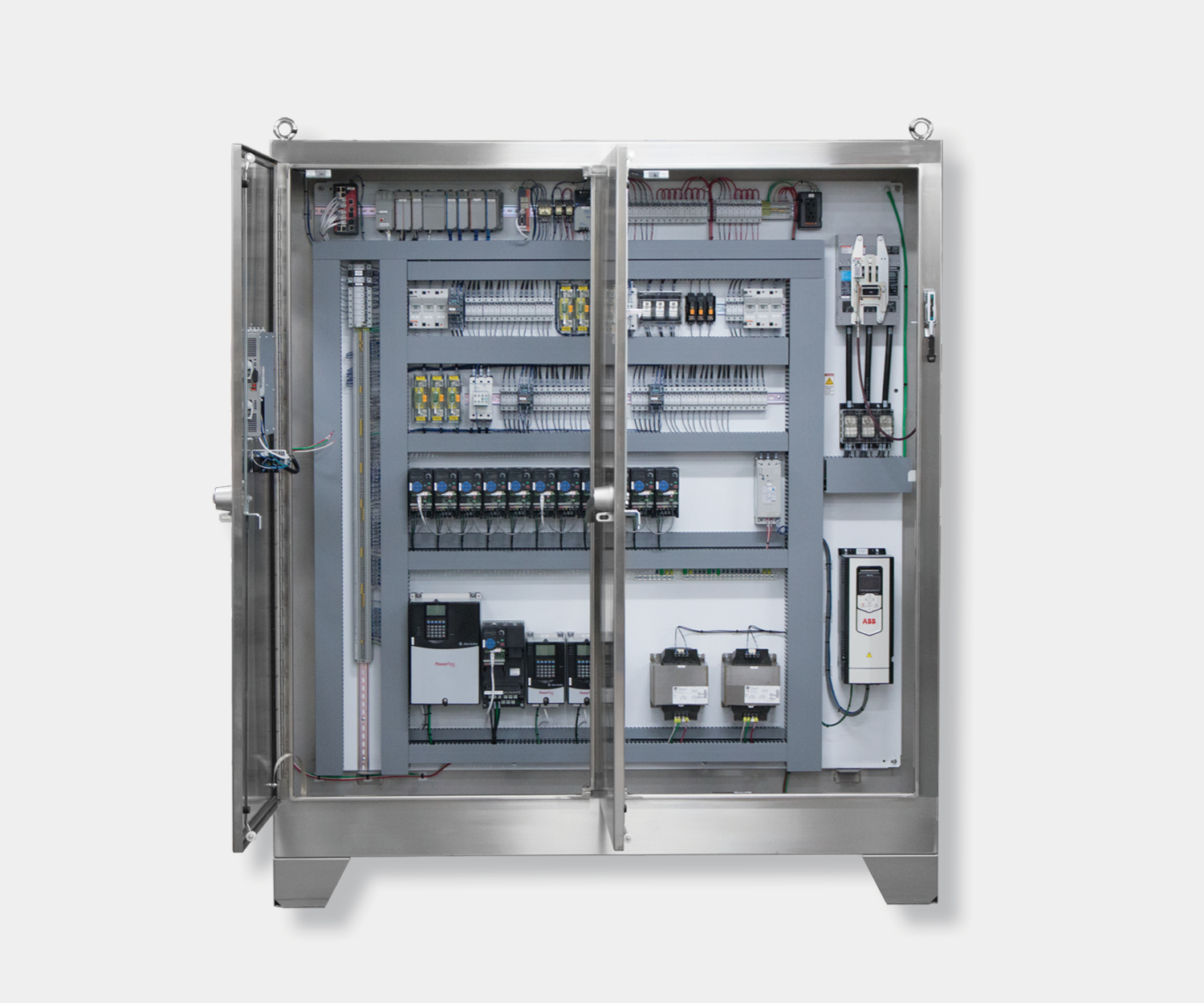
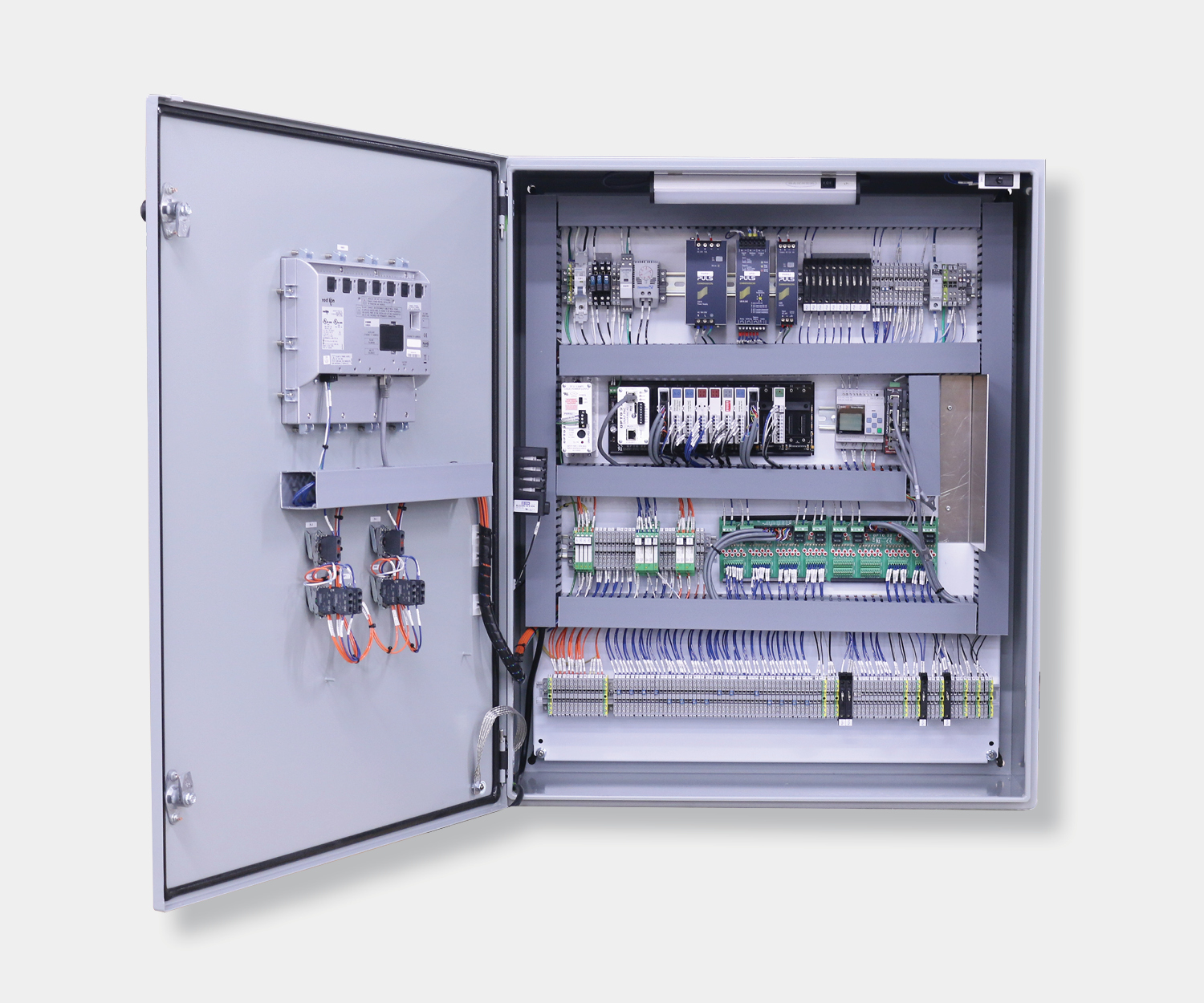
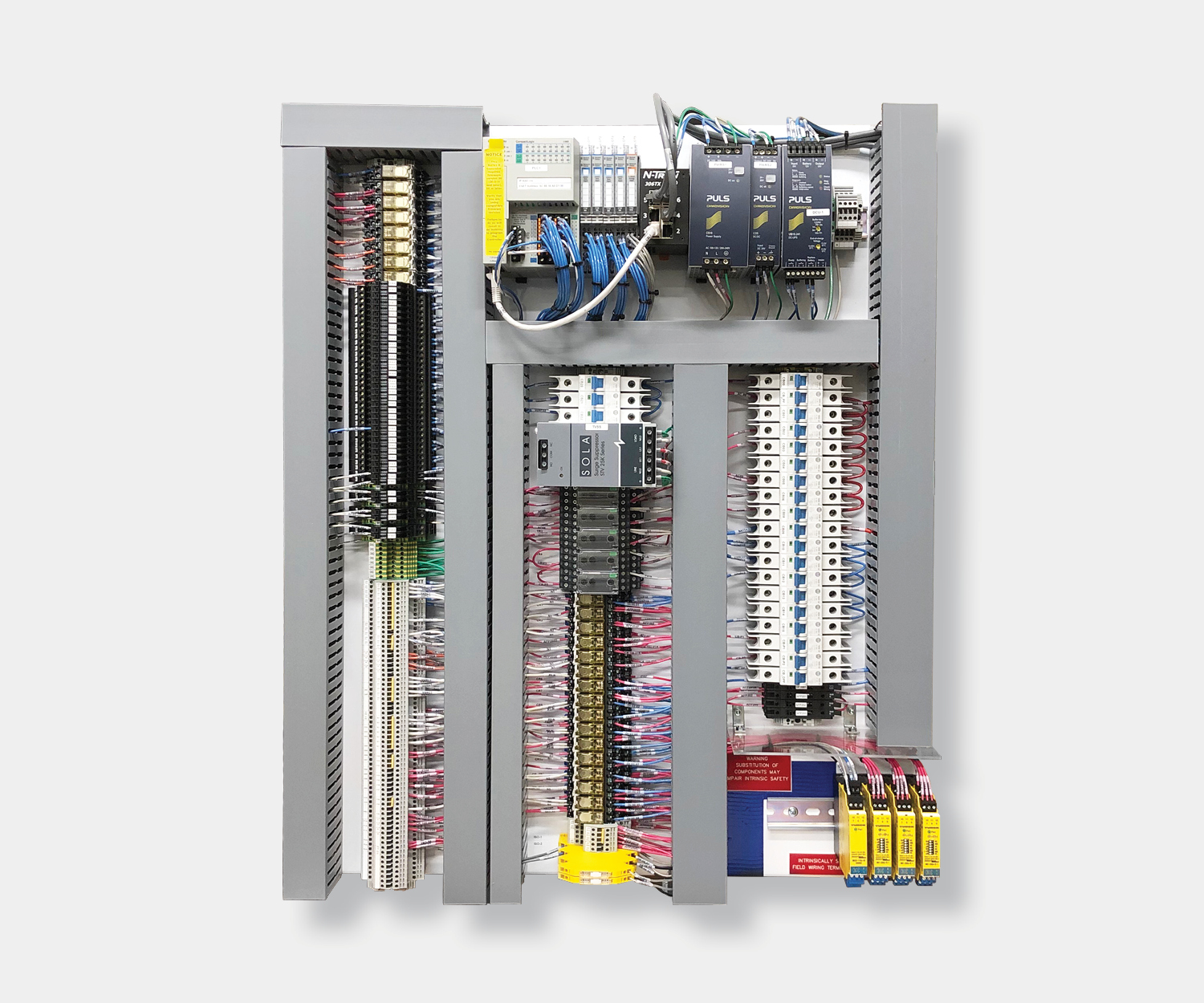
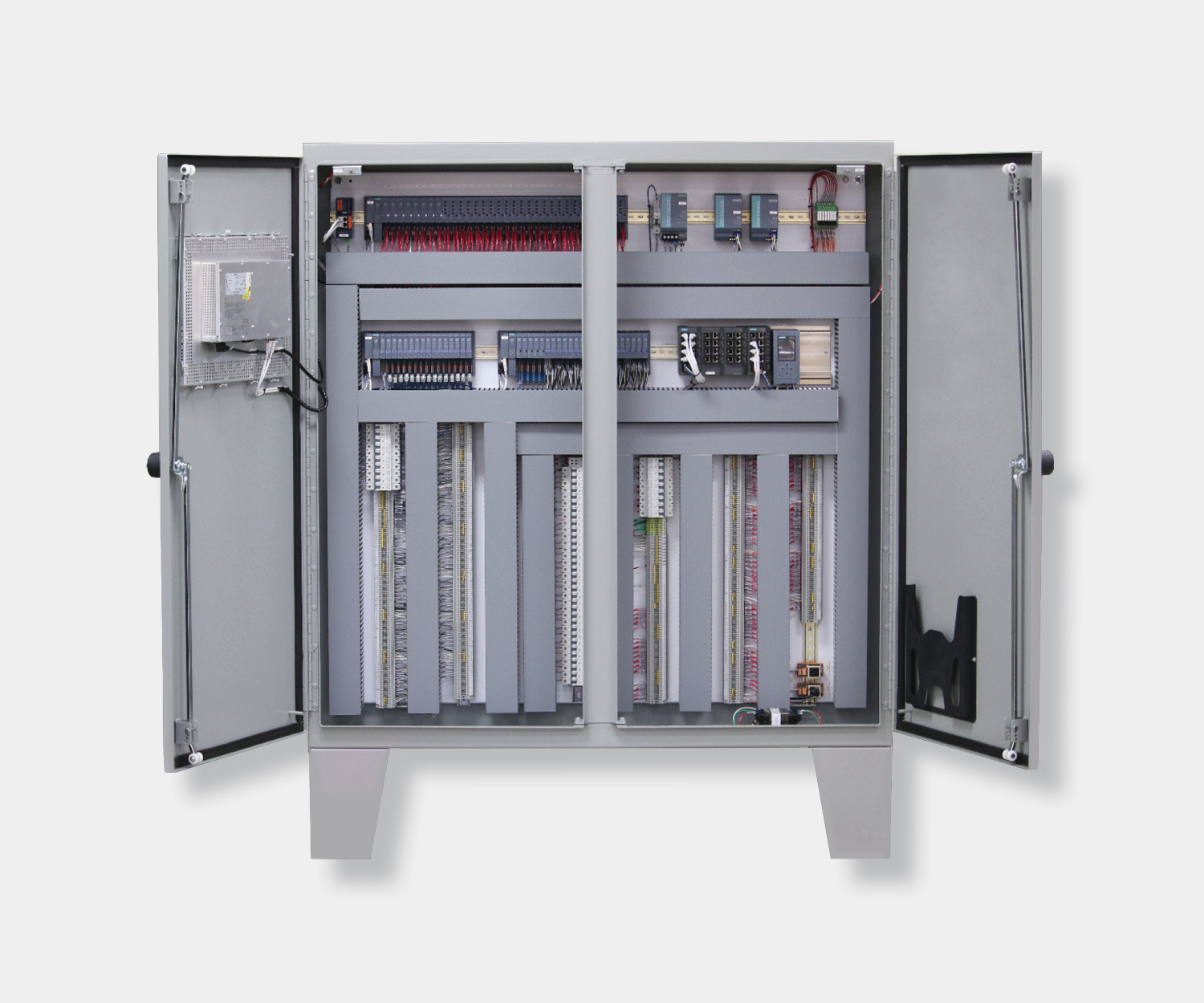
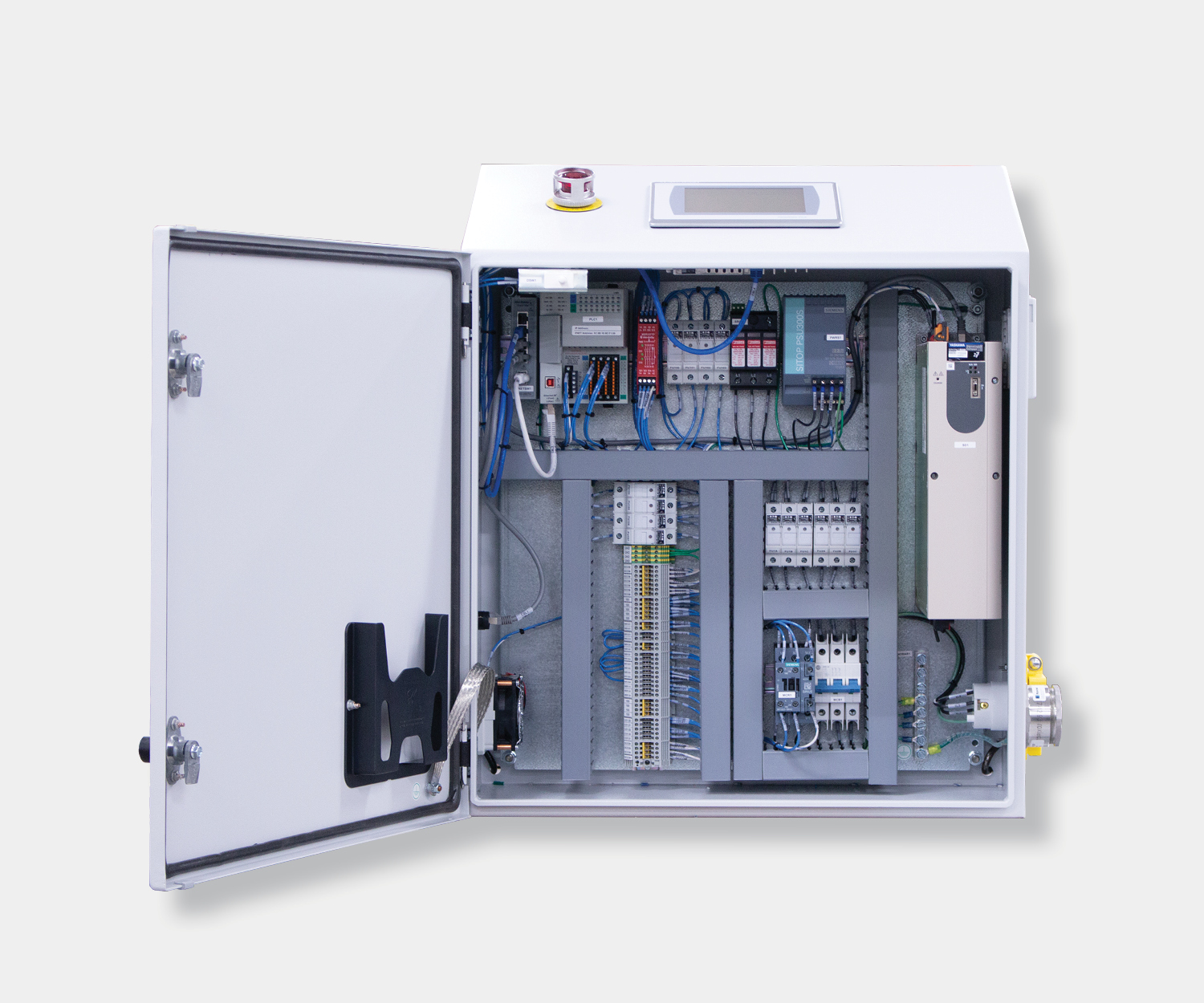
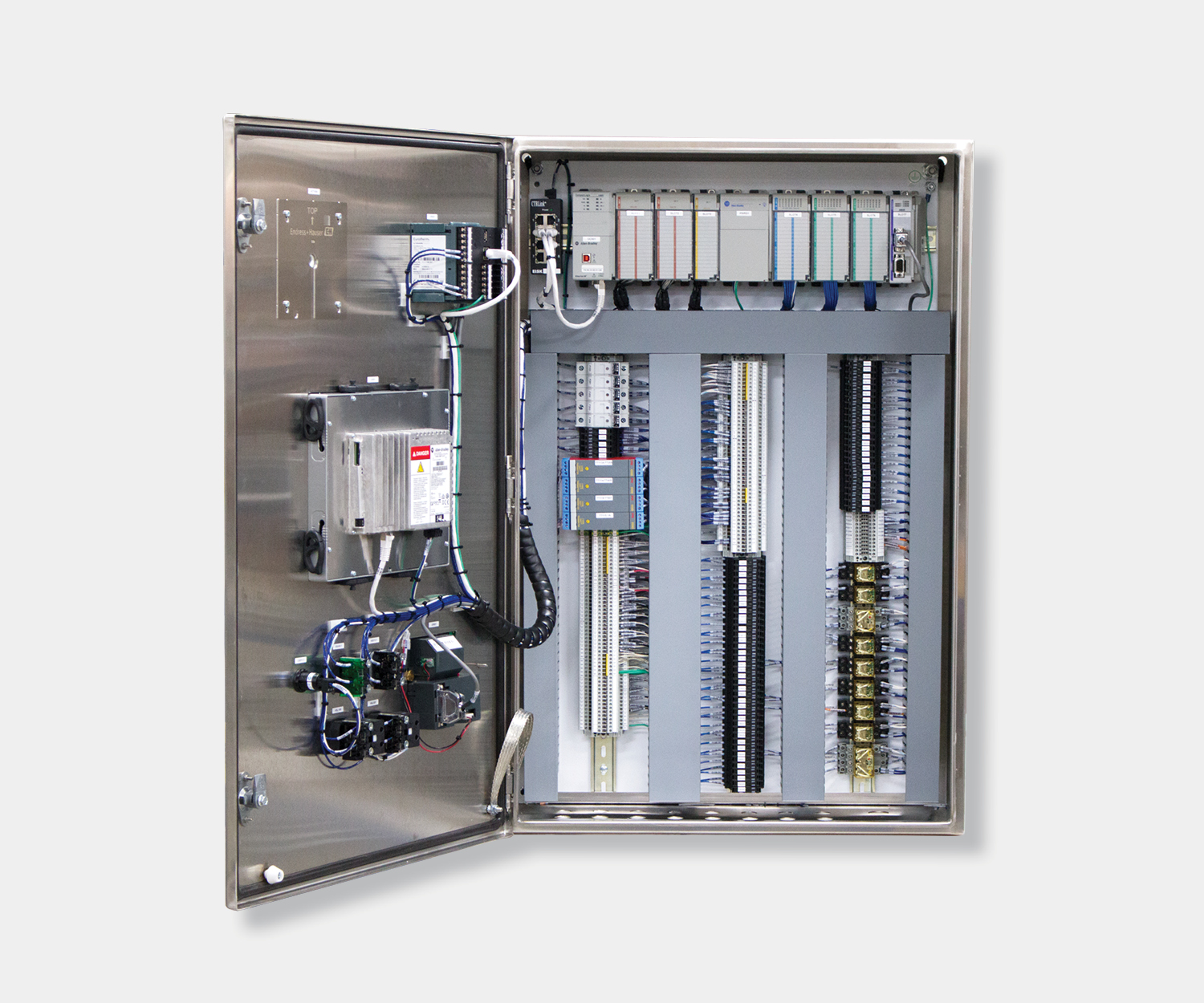
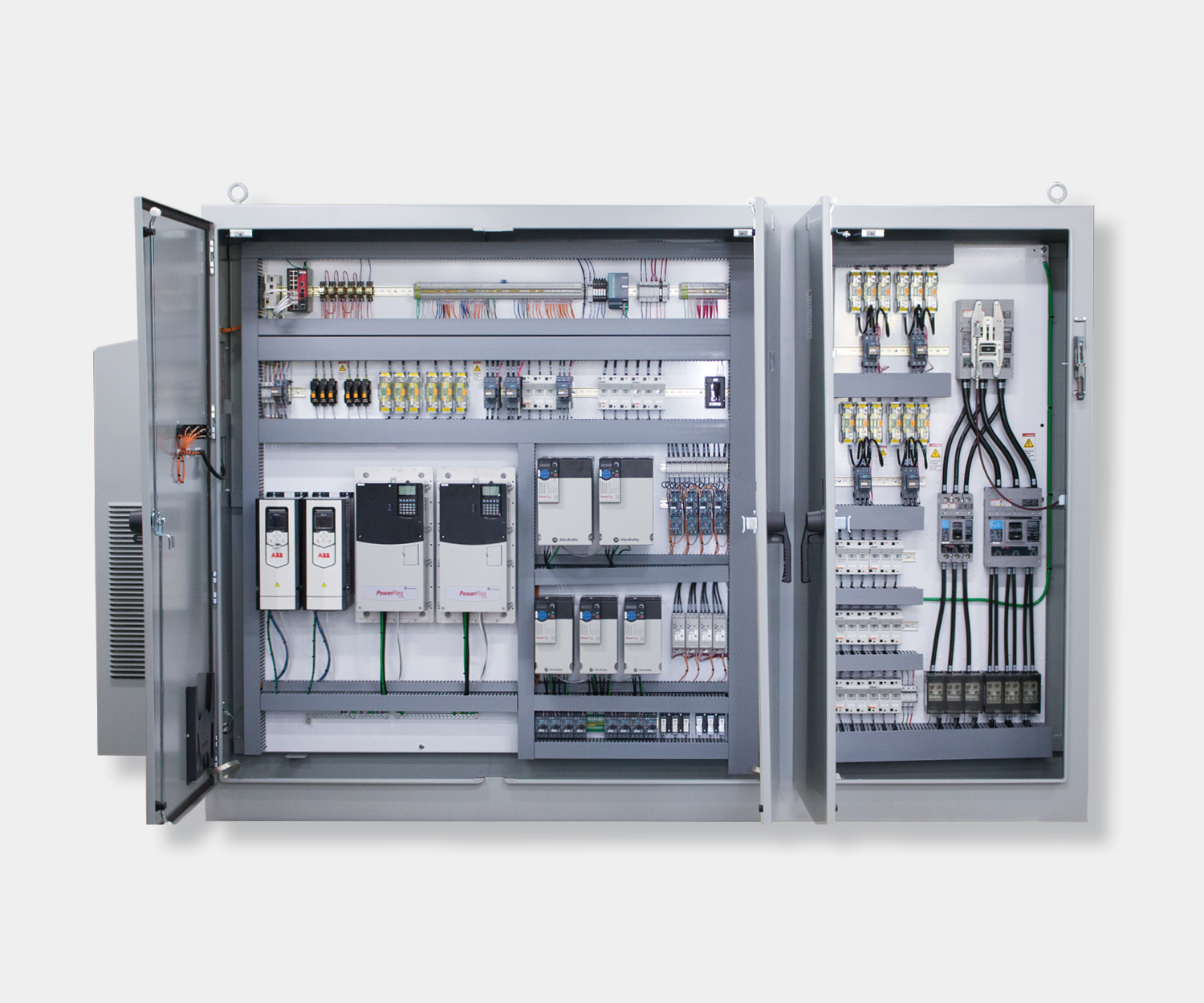
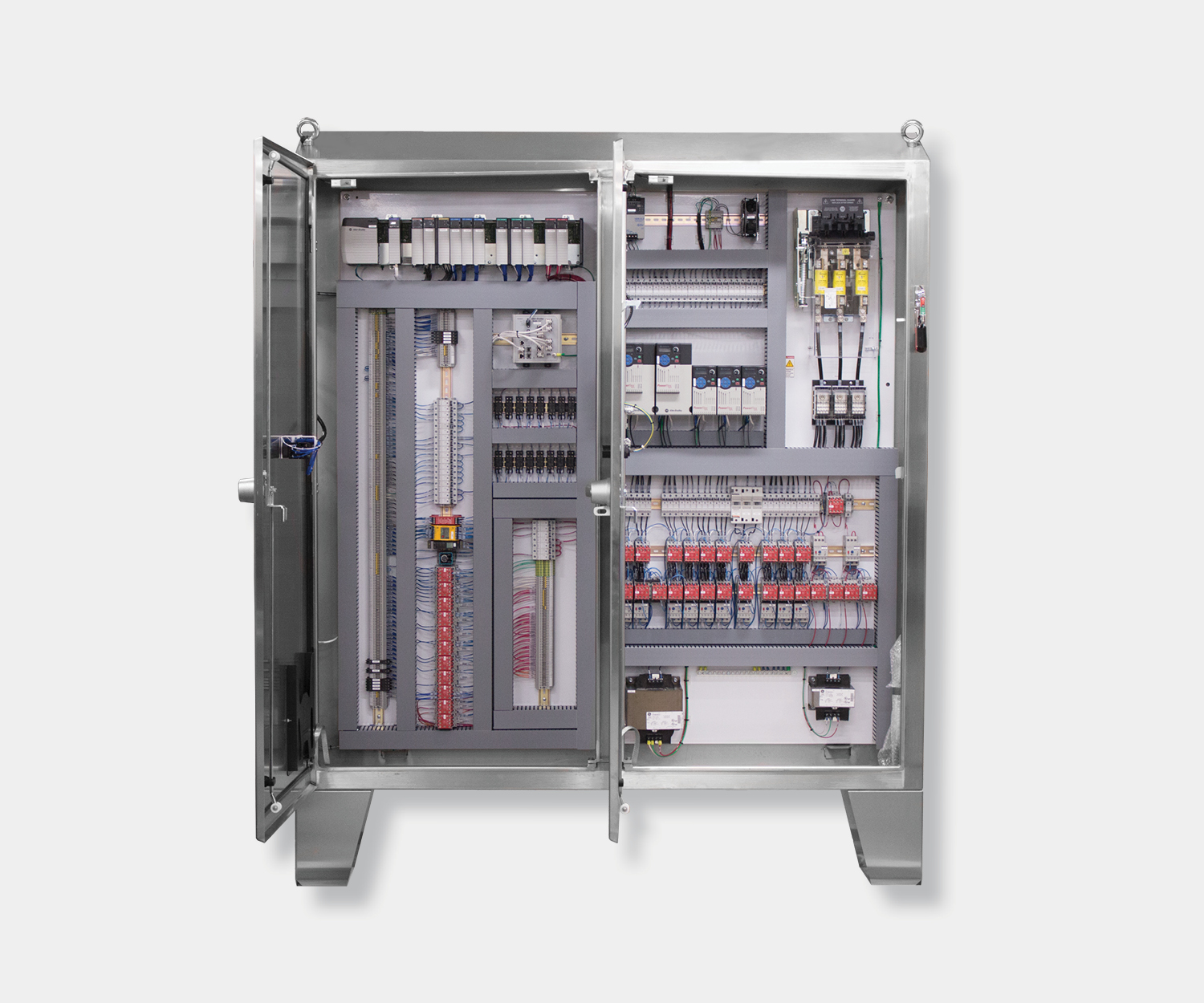
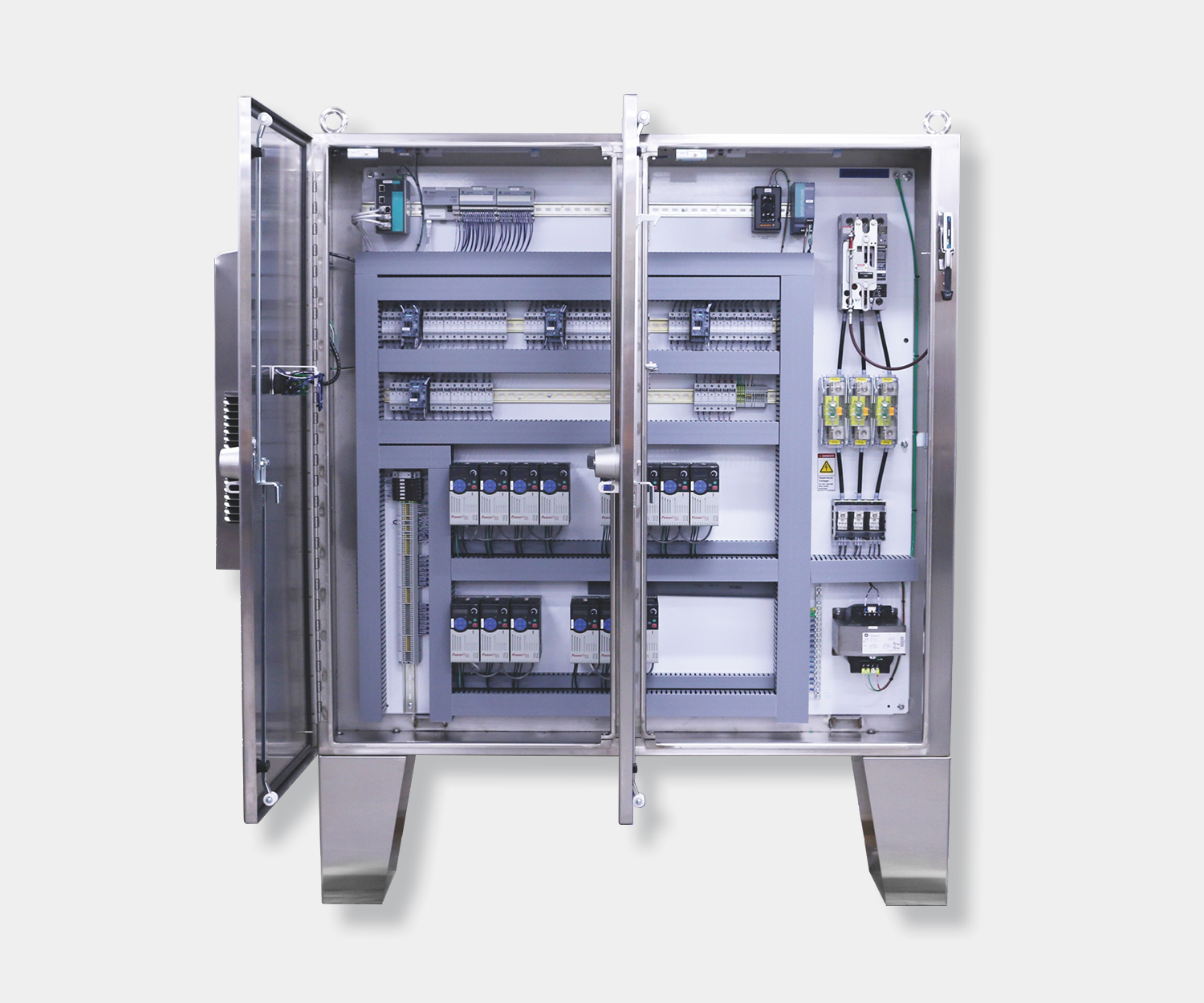
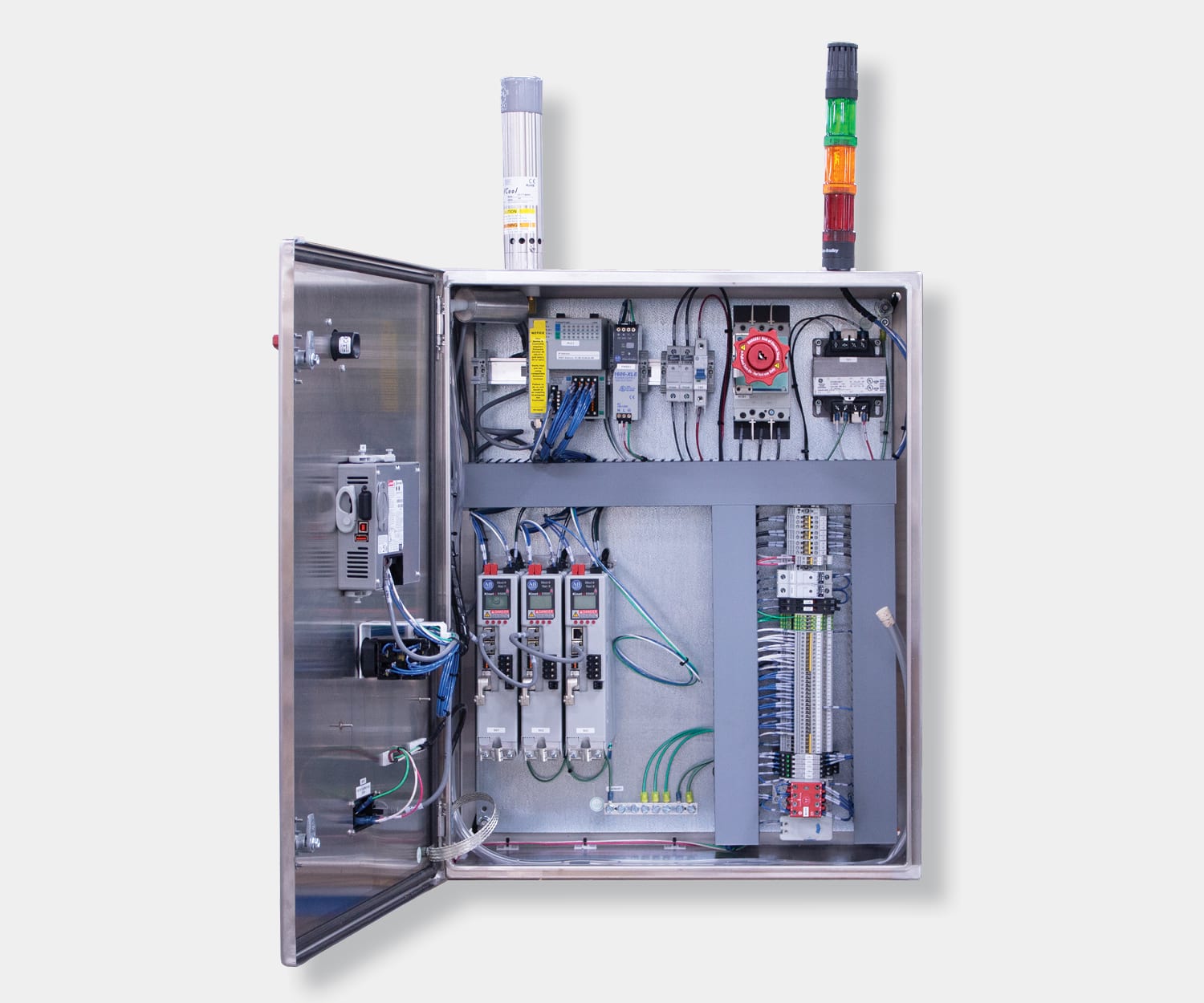
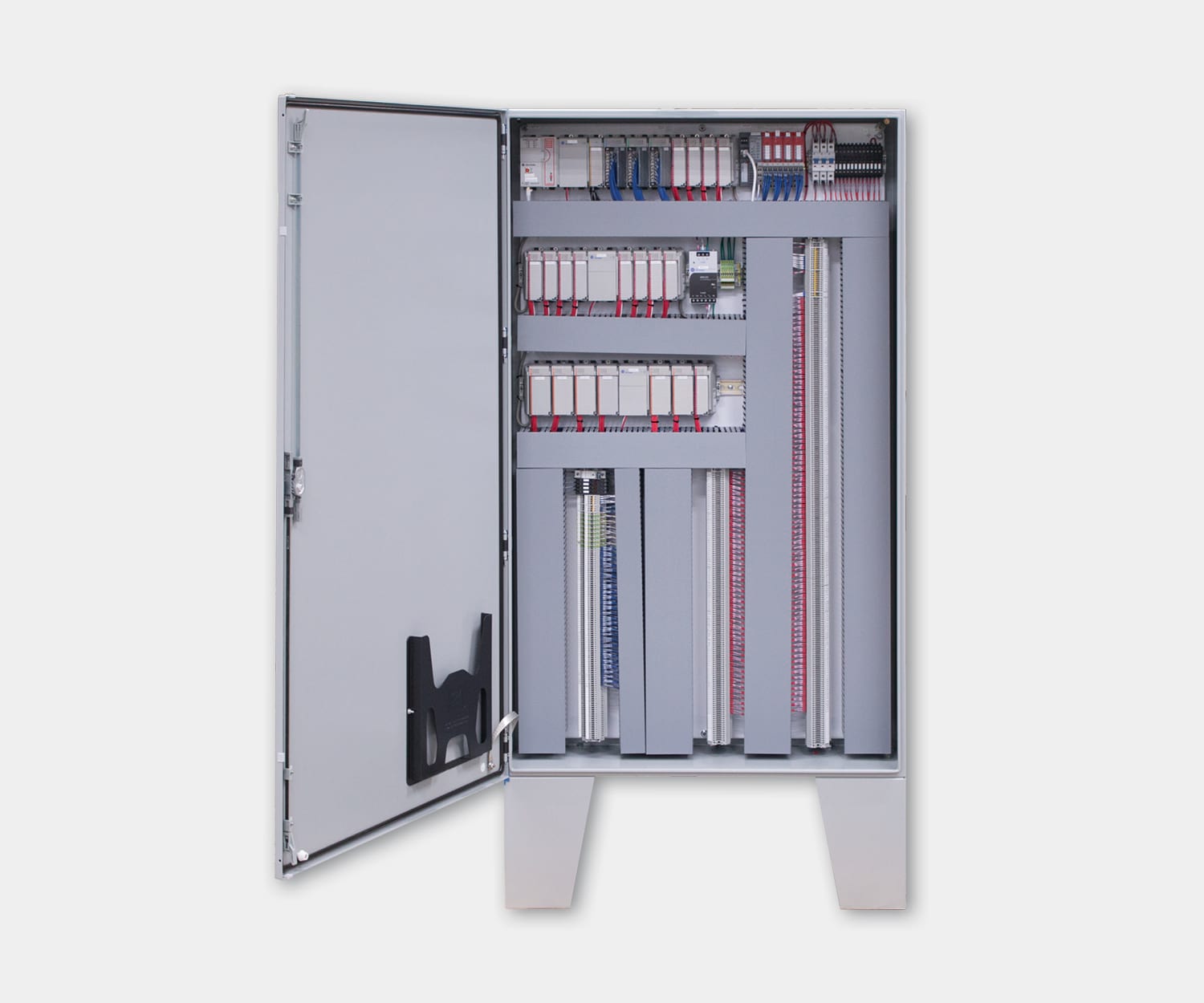
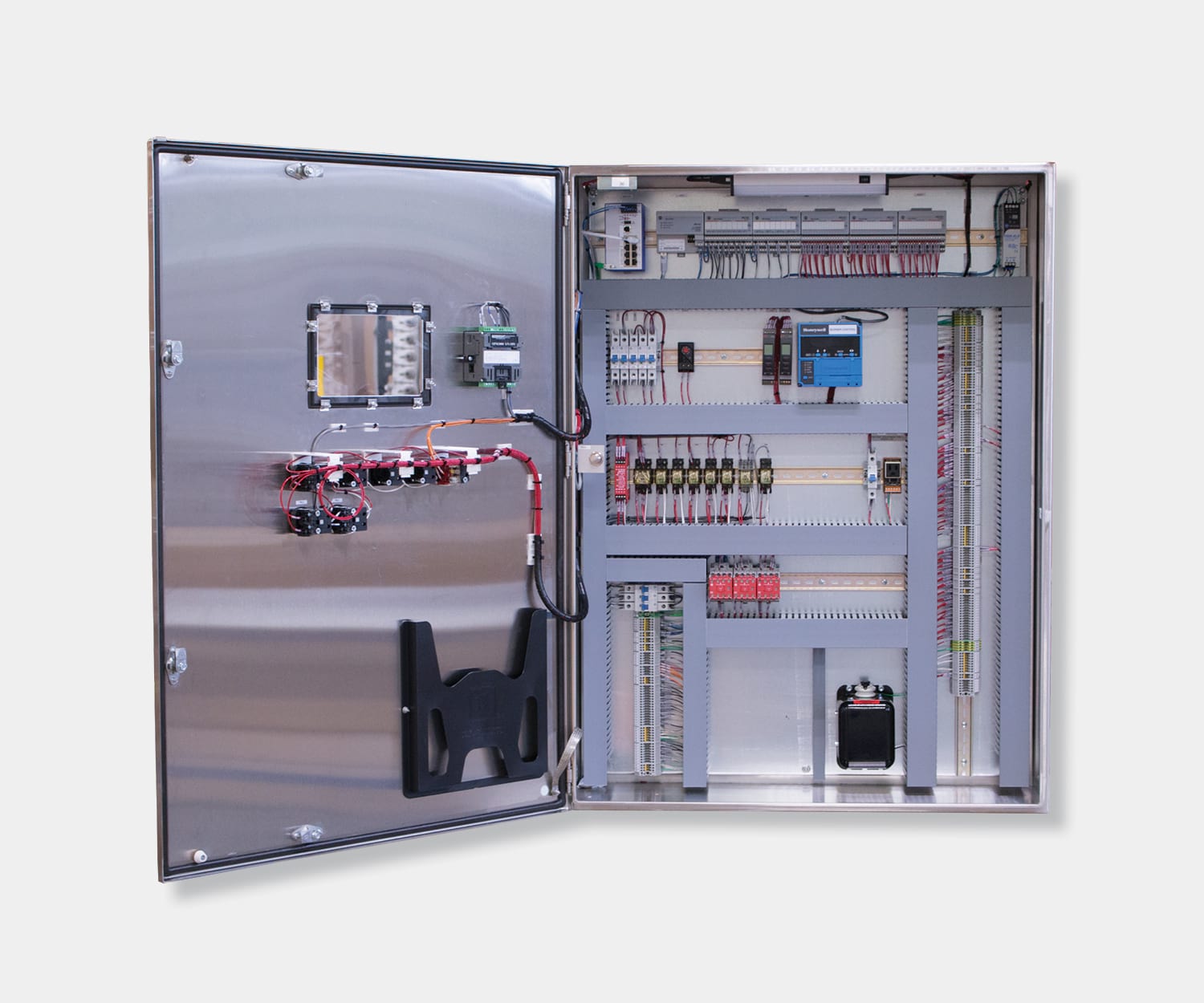
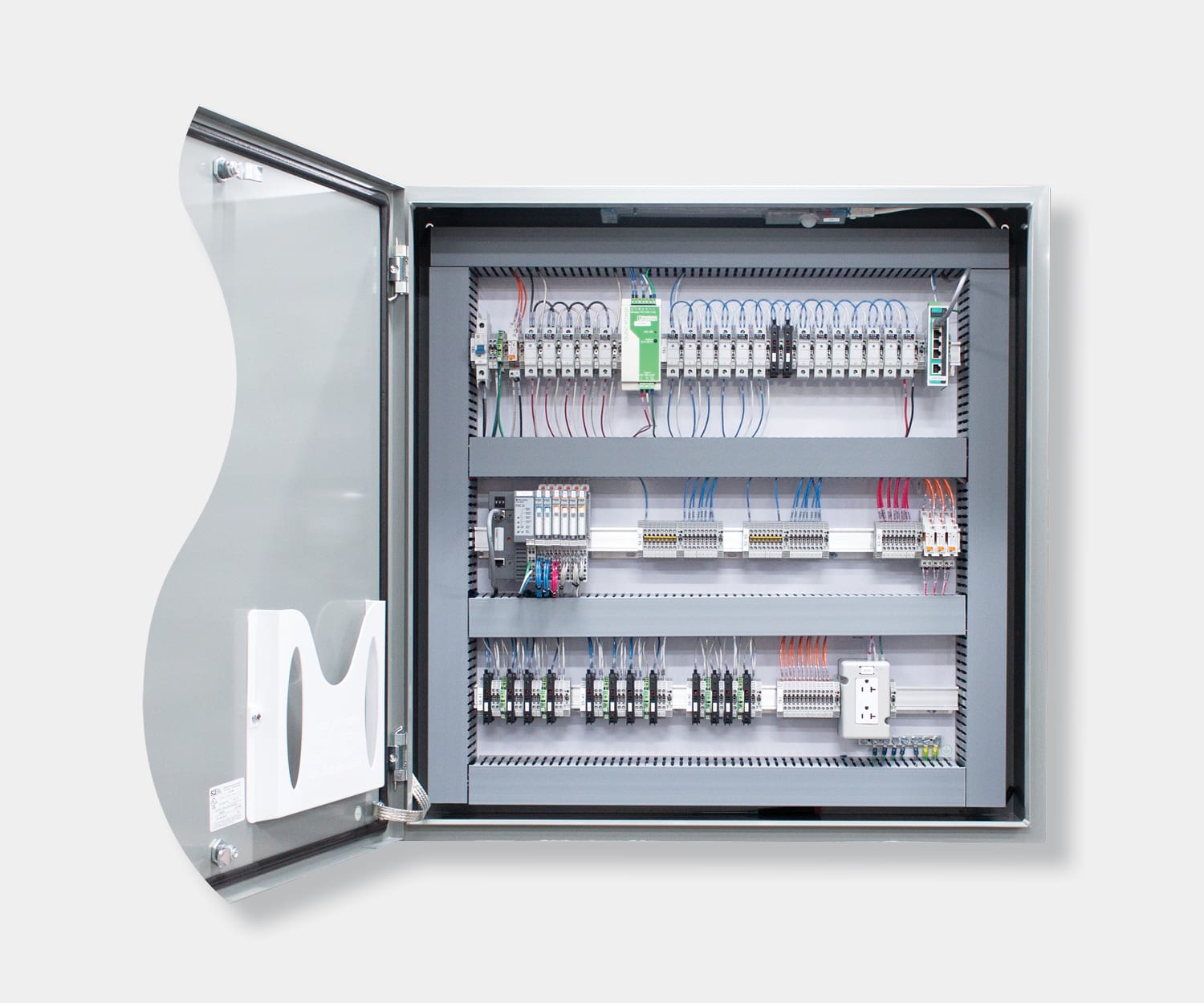
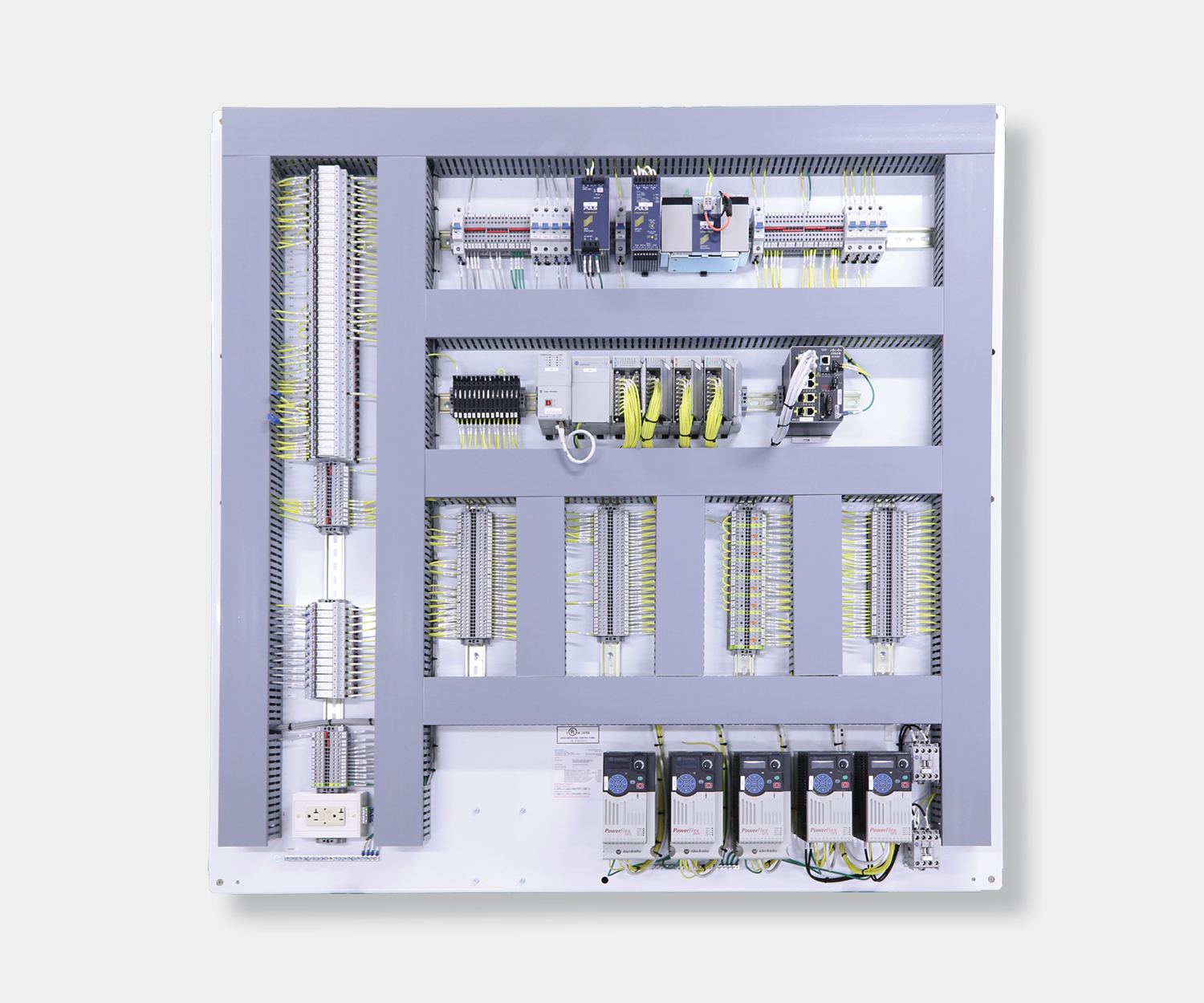
Open a well-designed control panel and you’ll see organized rows of wiring. Open a poorly designed one and you’ll find a rat’s nest that makes troubleshooting a nightmare.

Power distribution blocks make that difference.
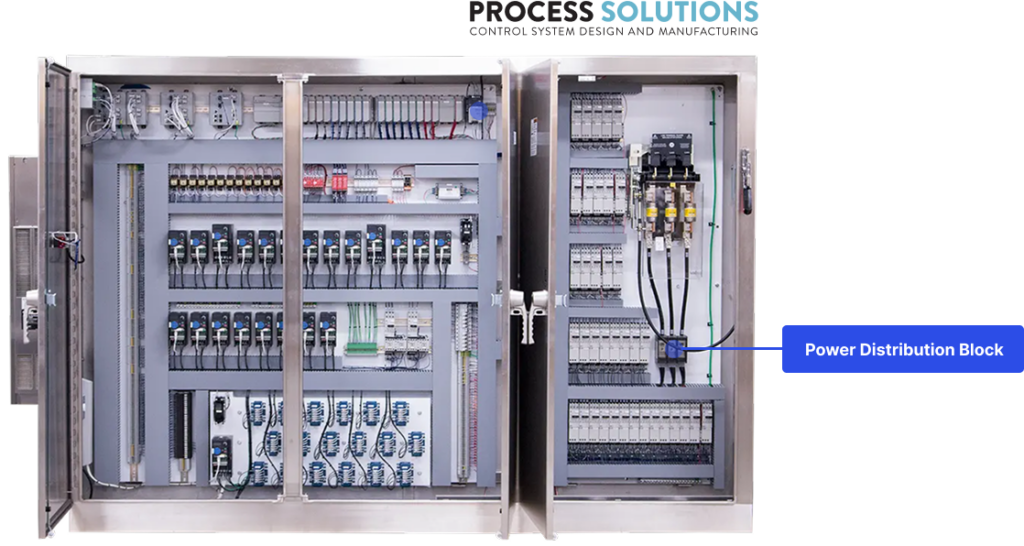
Splitting large feeds into branch circuits

Power distribution blocks take large feeder wires carrying substantial current and split them into smaller conductors that feed individual circuits. Think of them as junction points that organize power flow throughout the panel.

They’re machined from solid aluminum or copper, not plastic terminal strips. The material matters because these blocks handle significant current loads. Aluminum works for most applications and costs less. Copper conducts better and holds up in high-current or high-temperature situations.

Each block has one or more large input terminals for main feeders and multiple smaller output terminals for branch circuits. The metal body provides a common electrical path between input and outputs while maintaining proper spacing and isolation.

Without distribution blocks, you’d be splicing wires together or daisy-chaining terminal strips. Neither approach is safe, code-compliant, or practical in industrial applications.

AC and DC need separate blocks

You’ll typically see separate distribution blocks for AC and DC power in the same panel. There are real safety reasons to keep them apart.

AC distribution blocks handle power from your facility’s electrical service. This feeds larger loads like motor starters, contactors, and panel lighting. AC voltage is higher (120V, 240V, or 480V depending on your system) and presents different safety considerations.

DC distribution blocks distribute the 24V DC output from your power supply to control devices. PLCs, sensors, indicators, and relay coils all connect through DC distribution. Keeping AC and DC physically separated prevents accidental cross-connections that damage equipment.

Mixing AC and DC on the same block violates electrical code and creates serious safety hazards. The voltage difference alone makes this dangerous, but you also risk feedback loops and ground faults that are nearly impossible to diagnose.

Most panels use separate mounting locations for AC and DC blocks. AC stays near the main disconnect and power entry. DC goes closer to the control devices it feeds.

Proper termination techniques

Distribution blocks look simple enough, but how you connect wires to them makes a real difference in how well your panel performs over time.

Each connection point needs the right amount of tightening. Not enough and the connection heats up, arcs, and eventually fails. Too much and you’ll damage the terminal or snap the wire. Get yourself a calibrated torque screwdriver and follow the manufacturer’s specs, usually somewhere between 7 and 50 inch-pounds depending on terminal size.

Wire prep matters just as much as torque. Strip back the insulation to the length they specify. Too much exposed conductor creates shock hazards, while too little means you won’t get a solid connection.

Here’s something worth doing: put ferrules on stranded wire. The ferrule crimps onto the wire and gives you a solid surface for the screw terminal to clamp down on, which prevents individual strands from breaking or working loose over time.

Watch out for a few common mistakes. Don’t overload blocks beyond their ratings, avoid mixing wire sizes in ways that prevent proper clamping, and if you see terminals with signs of heating or corrosion, replace them. Don’t try to reuse them.

When distribution blocks make sense

Small panels with just a few devices might not need distribution blocks. You can wire directly from the power supply or circuit breaker to individual devices.

But once you get past five or six branch circuits, distribution blocks start earning their keep. The wiring is cleaner, troubleshooting is faster, and future modifications are far less painful.

Larger panels often use multiple distribution blocks. You might have separate blocks for different zones or functions within the panel. This keeps wire runs shorter and makes it easier to isolate sections for maintenance.

The upfront cost of quality distribution blocks pays back in reduced installation time and easier long-term maintenance. Trying to save money here usually costs more when you factor in extra labor and future troubleshooting headaches.

Building maintainable control systems

Distribution blocks might seem like simple chunks of metal, but they directly affect how well your control panel works and how easy it is to service. Getting the selection, installation, and termination right is what separates a professional panel build from one that’ll give your maintenance team headaches for years.

Want to see how distribution blocks fit into the bigger picture? Our Control Panel Anatomy guide walks through every major component and how they work together.

Need help designing control panels that are built right from the start? We can help you spec the right components and build systems your maintenance team will actually thank you for.


Frequently asked questions

Q: Can I use terminal strips instead of distribution blocks for power distribution?

Terminal strips work for low-current signal wiring, but not for power distribution. Distribution blocks are rated for higher current loads and dissipate heat properly. Using terminal strips for power creates fire hazards and code violations.

Q: What’s the difference between aluminum and copper distribution blocks?

Aluminum blocks cost less and work fine for most applications. Copper conducts better and handles higher temperatures, so it’s the go-to for high-current applications or hot environments. For typical control panels, aluminum does the job.

Q: Do distribution blocks need to be mounted on DIN rail?

No. Most distribution blocks mount directly to the panel backplate with screws. DIN rail mounting is more common for terminal strips and other modular components. Distribution blocks need solid mounting because of their weight and the mechanical stress from multiple wire terminations.

Q: How often should I check distribution block terminations?

Check them during annual preventive maintenance. Look for discoloration from heating, loose connections, or corrosion. High-vibration environments or panels that get modified frequently may need more frequent checks. Any connection showing signs of heating should be cleaned and re-torqued right away.
Related Posts

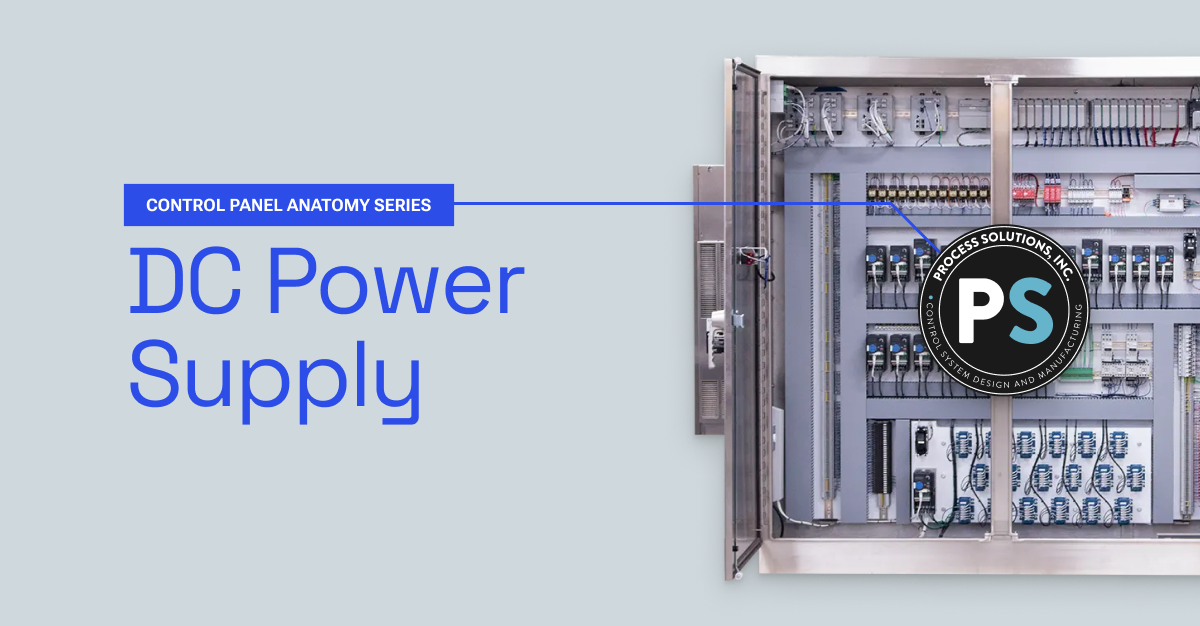
DC Power Supply for your Industrial Control Panel

Industrial control panels convert AC power to 24V DC because that’s what PLCs, sensors, and most control devices actually run on. The power supply does more than simple conversion. It needs proper sizing to handle startup surges and keep your automation running reliably. Understanding how DC power supplies work helps you avoid unexpected downtime and equipment failures.

Read More

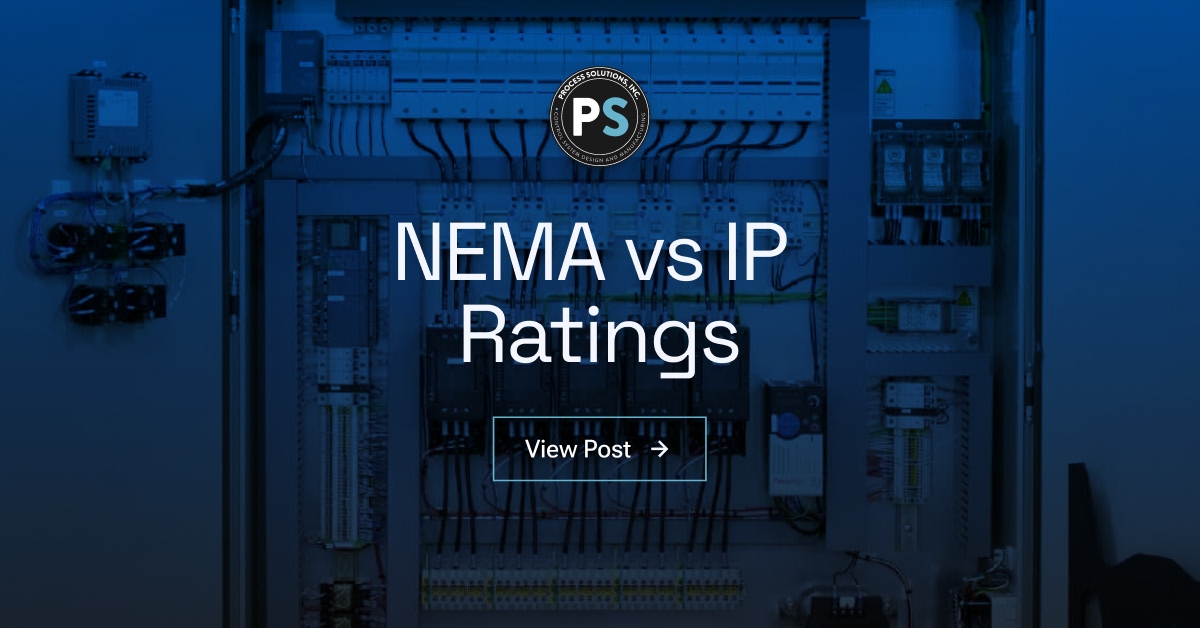
NEMA vs IP Ratings: Which Enclosure Standard You Need

NEMA and IP ratings aren’t interchangeable. NEMA 4X includes corrosion and ice testing that IP66 doesn’t cover. Wrong specifications mean rejected equipment, premature failures, and 25-40% cost overruns. Use NEMA for North American industrial installations. Use IP for international projects. Specify based on actual environmental conditions and regional requirements, not assumed equivalency.

Read More
Vaclav Mydlil
Sr. Director of Advanced Automation
Vaclav leads the dynamic Energy Management and Refrigeration Division at Process Solutions. With an impressive 20 years of experience in power demand management and refrigeration control systems, Vaclav is the driving force behind one of the company’s most innovative systems.

His expertise extends to PLC and cloud-based systems, ensuring seamless integration and optimal performance. Vaclav’s commitment to excellence is underscored by his Master of Science degree, specializing in control systems and electrical engineering, which he earned from the University of Life Sciences in Prague, Czech Republic.

Beyond the office, Vaclav’s passions include kayaking, snow skiing, and woodworking. Most of all, he enjoys moments spent with his wife and three kids.
Steve Pelton
Vice President of Sales
With over 20 years at Process Solutions, Steve Pelton has held various roles, including Sales Engineer, Sales Director, and his current position as Vice President of Sales.

In addition, Steve oversees Process Solutions’ Energy Management and Refrigeration Division — ensuring the company remains at the forefront of energy-efficient solutions that cater to diverse food production applications. Steve also spearheads the strategic development of the company’s machine monitoring solutions, aligning them with client needs and market trends.

Steve’s background includes mechanical engineering, but his career trajectory has mainly focused on control systems marketing and management. His ability to bridge technical expertise with business acumen has been instrumental in Process Solutions’ growth.

Outside the office, Steve passions include conquering rugged trails on his mountain bike, perfecting his golf swing, and exploring new destinations with his family.
Matt Barnes
Chief Financial Officer
Matt, with 28 years of financial strategy and accounting experience, plays a pivotal role at Process Solutions. As the Chief Financial Officer (CFO), he spearheads the company’s growth strategy, ensuring financial stability and health.

Beyond traditional financial management, Matt also oversees strategic initiatives aimed at optimizing Process Solutions’ on-hand inventory costs and availability. By fine-tuning inventory management, Matt ensures the company can meet client needs efficiently and maintain a healthy bottom line.

Matt graduated with a degree in accounting from Western Washington University and previously served as a financial executive at a large retail corporation. Outside of work, Matt enjoys traveling, soccer and spending time with his family.
Kevin Orr
Executive Vice President
Kevin boasts an impressive tenure of over 25 years at Process Solutions. His position in the company has been multifaceted, spanning roles as a project engineer, engineering manager, and Process Solutions’ first Executive Vice President.

Under Kevin’s leadership, the food processing division has flourished, earning its reputation as of the most respected in the industry. Today, Kevin closely collaborates with executives from leading food processors and food processing equipment manufacturers across the country.

Kevin is a devoted husband and father with a passion for international travel.
Todd Busby
Chief Executive Officer
Todd has dedicated over 30 years to Process Solutions, where he has worn multiple hats—from panel builder to project engineer and sales representative.

As the CEO of Process Solutions, Todd has spearheaded significant transformations. Under his leadership, the company has diversified into new industries, acquired a world-class facility, and more than doubled its size.

Todd, a native of the Puget Sound region, is a devoted husband, father, and avid outdoorsman. When he’s not at work, you’ll find him supporting his three kids in all their pursuits or hunting and fishing in Eastern Washington.
David Crumpley
President
David has dedicated over 15 years to Process Solutions, where he has served as a Senior Engineer, Vice President, and now Chief Operating Officer. His multifaceted experience spans technical expertise, strategic leadership, and operational efficiency.

As the head of Process Solutions’ Water/Wastewater division, David orchestrated the modernization of the company’s internal systems and boosted operational efficiency across the organization.

In his current role as President, David continues to drive innovative initiatives aimed at expanding the company’s reach and further streamlining internal processes.

Outside of work, David enjoys spending quality time with his family and pursuing his passions as an avid outdoorsman.

Schedule a demo

Complete the form below and we will respond quickly to schedule a demo.

This site is protected by reCAPTCHA and the Google Privacy Policy and Terms of Service apply.
Services

Service

We provide numerous remote and on-site services to our customers, including software upgrades, troubleshooting, hardware replacement, and feature additions. Our staff size provides us flexibility to quickly respond to standard time frames and emergency service.
Services

Commission

Process Solutions provides commissioning services, as well as system start-ups. Our staff will travel anywhere in the world to help you get your system up and running. We start up hundreds of systems per year, and our licensed electricians on staff can pull permits as needed.
Services

Document

Our Engineering and CAD department can create a wide range of documents, including functional specifications, software design documents, test manuals, O&M manuals, P&ID, system drawings, and network drawings. Drawings for FDA level documents are a particular specialty.
Services

Code

Process Solutions software designers are equipped to handle any size job. We structure our program code to be easily read by both customers and engineers, making support and system upgrades fast and easy.
Services

Build

Process Solutions builds over 3,000 panels per year. Our high-volume model makes our technicians experts in the field and provides our customers with an industry leading experience. Efficient manufacturing practices, mixed with automated manufacturing equipment, allows for quick and consistent job completion.
Services

Design

Creation of custom designs for new and legacy systems. All drawings are template based using automatic CAD macros. Our techniques create an efficient design process with recognizable and easy to understand drawings.

Get in touch

Complete the form below and we will respond quickly to discuss your project or questions.

This site is protected by reCAPTCHA and the Google Privacy Policy and Terms of Service apply.